Last year, the annual United Nations climate talks ended with a landmark agreement to compensate poor countries for destruction from climate disasters that have been made worse by emissions from wealthy nations.
Almost none of the details behind the so-called loss and damage fund were finalized, including which countries and financial institutions would contribute, and where the money would go. But last weekend, some of the key provisions were hashed out at a meeting in Abu Dhabi.
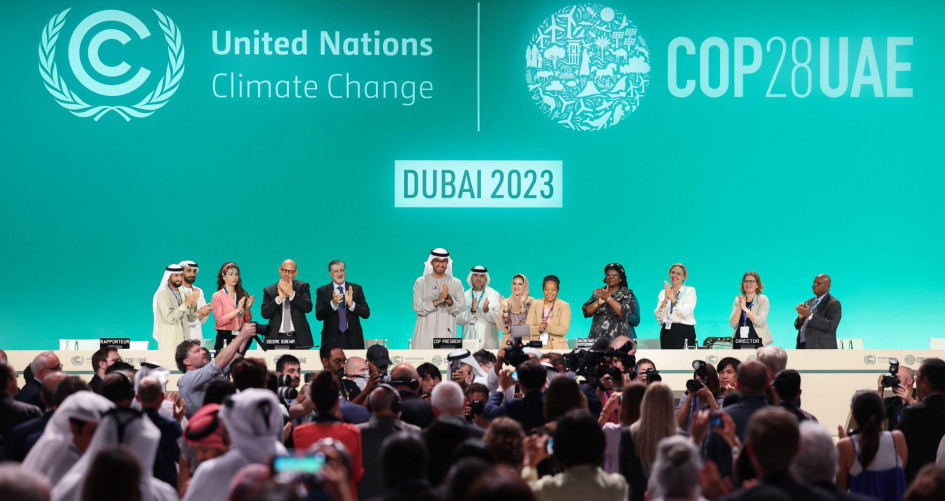
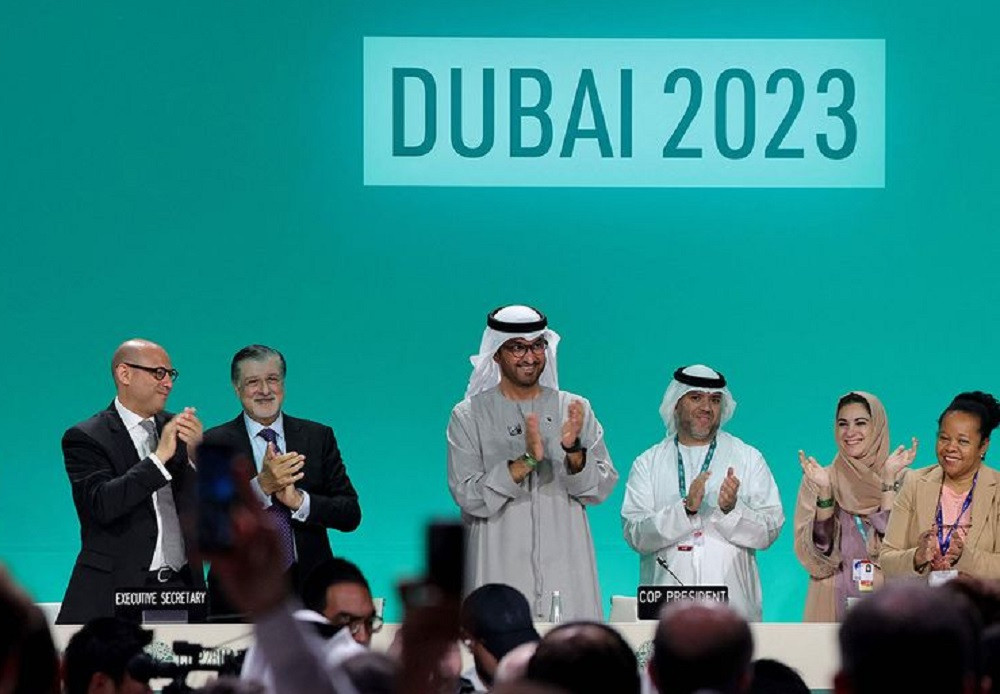
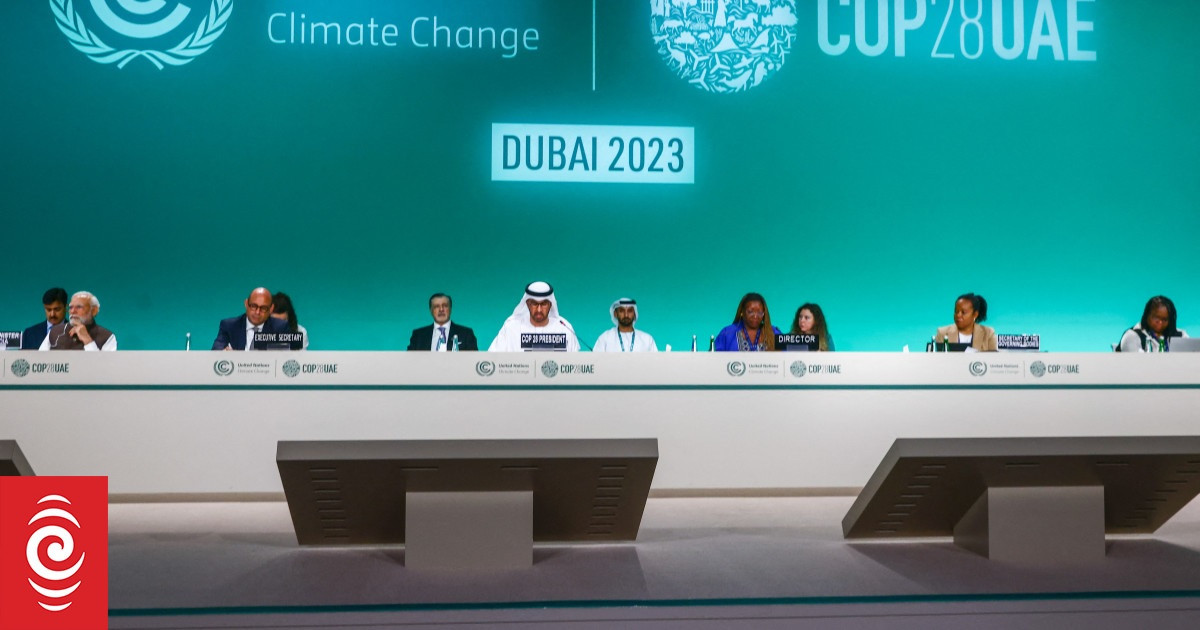
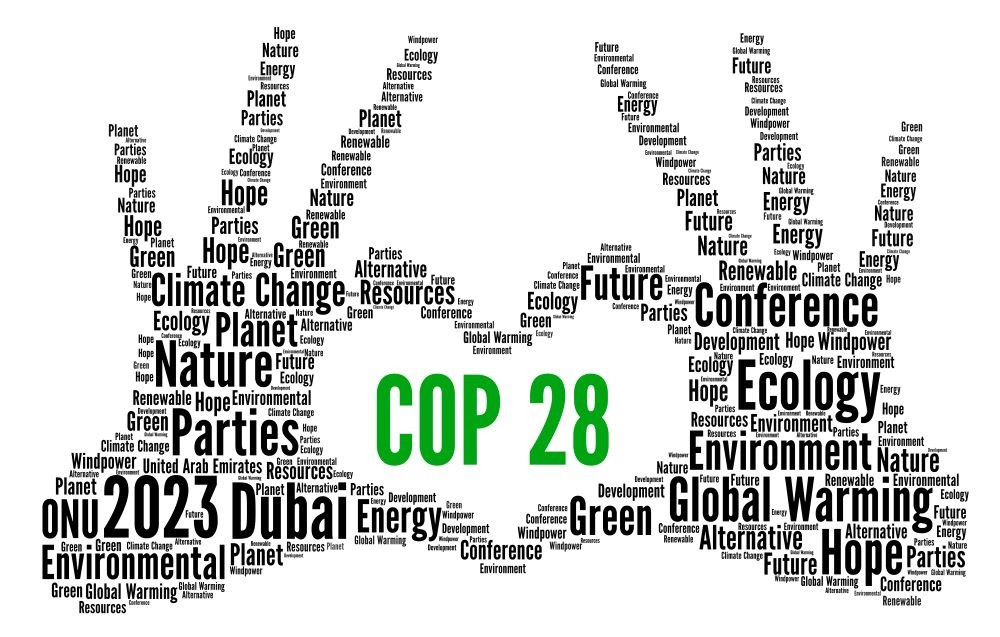
Under the agreement, the fund would launch next year, initially housed at the World Bank, and developing countries would have a seat on its board. Global leaders will be asked to ratify the plan at the United Nations climate talks known as COP28, which start later this month in Dubai.
The agreement marks a pivot point in the long quest to get rich countries, which have burned most of the fossil fuels that have warmed the planet, to help the poor countries that bear the least culpability but will suffer the most from climate change.
“We’ve been debating loss and damage for a long time,” said Avinash Persaud, a climate adviser to the prime minister of Barbados, who represented Caribbean nations in the talks. “This was a crunch point where we got together and said ‘Yes we will create a fund, yes we will help countries recover and rebuild.’ It was an important step forward.”
While the agreement can be seen as progress for climate diplomacy, the torturous process lays bare some of the tensions that are likely to shape the debate at COP28.
An unsatisfying deal
There was almost no loss and damage fund at all. An effort to hash out the details of the fund last month in Aswan, Egypt, failed when negotiators hit an impasse. That forced countries to reconvene at last weekend’s emergency meeting in Abu Dhabi.
Dire warnings. Global warming may be happening more quickly than previously thought, according to a new study by a group of researchers including former NASA scientist James Hansen, whose testimony before Congress 35 years ago helped raise broad awareness of climate change.
Aid for climate shocks. Wealthy countries have decreased the amount of money they commit for helping developing countries cope with the effects of climate change, even as the need for that spending has grown, the U.N. said in a report. Aid for climate adaptation fell to $21 billion in 2021, the latest year for which comprehensive data is available, a drop of 15% from 2020.
A peak in fossil fuel use? For more than a century, the world’s appetite for fossil fuels has been expanding relentlessly. But the International Energy Agency now predicts that global demand for oil, natural gas and coal will peak by 2030, partly driven by policies that countries have already adopted to promote cleaner forms of energy and transportation.
Atlantic hurricanes. Hurricanes in the Atlantic Ocean are now twice as likely to grow from a weak storm into a major Category 3 or higher hurricane within just 24 hours, according to a new study. When hurricanes intensify so quickly, it may become more difficult to make predictions and prepare for disaster.
On the brink. The Amazon rainforest, where a fifth of the world’s freshwater flows, is reeling from a powerful drought that shows no sign of abating. Likely made worse by global warming and deforestation, the drought has fueled large wildfires that have made the air hazardous for millions of people, while also drying out major rivers at a record pace.
The negotiations were tense, with developing countries pushing for more concrete commitments and more specific language, and rich countries, including the United States, trying to keep the final agreement noncommittal. The U.S. unsuccessfully tried to insert language that said contributions to the fund would be voluntary.
“I don’t think anybody got everything they wanted,” Mr. Persaud said.
The initial target size for the fund is expected to be $500 million. That is a significant sum, but a pittance compared to the trillions of dollars that would be needed to pay for large-scale climate disasters in the years to come.
The U.S. delegation ultimately signed on to the final agreement, but immediately undercut it with comments that called into question its commitment.
“We regret that the text does not reflect consensus concerning the need for clarity on the voluntary nature of contributions; any contributions to funding arrangements, including to a fund, are on a purely voluntary basis,” the State Department said.
The fund will be housed at the World Bank, which is leaning into its climate work under new president Ajay Banga. But there is still deep-rooted skepticism about the bank, which is largely controlled by developed countries, especially the United States, and has a long history of saddling poor countries with debt.
Ann Harrison, the climate adviser for Amnesty International, flatly said: “it should not be run by the World Bank.”
But even though many were dissatisfied with the deal, the alternative was even worse.
“If we failed, it would have broken the COP,” Mr. Persaud said. “It would not have been at all tenable to say we are going to push developing countries to do mitigation, we’re going to push developing countries to be investing more in adaptation, but we don’t really care too much about loss and damages.”
‘Multilateralism is alive’
All of these tensions will be on display in Dubai later this month.
Many developing countries are tired of being told to reduce their emissions at the expense of desperately needed economic growth. And they are still waiting for hundreds of billions of dollars in financing, to shift to clean energy and build protections against climate change, that wealthier countries promised more than a decade ago, but have never fully delivered.
Rich nations are wary of accepting responsibility for climate damages, fearful that they could face unlimited liability. And while the United States and other industrialized countries are increasing their use of renewable energy, they continue to expand their fossil fuel production.
Nevertheless, the agreement to keep the loss and damage fund moving forward suggests that international community is still capable of working together on efforts to adapt to a rapidly warming world, if just barely.
“Multilateralism is alive, maybe weakly so, but it is alive,” Mr. Persaud said. “It is not dead. It can still deliver positive momentum. And so we go into COP with that behind us.”
Source : New York Times.