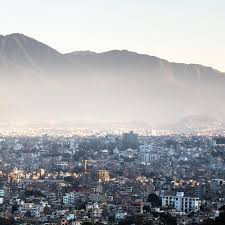
Kathmandu, Oct 4: A habitat is the natural home where living beings thrive, yet rapid population growth and urban expansion are driving habitat loss and fragmentation at an alarming pace. This degradation threatens both biodiversity and human well-being, making the call for sustainable urban development more urgent than ever.
World Habitat Day, first observed in Nairobi in 1986 after a United Nations General Assembly resolution, is marked annually on the first Monday of October. This year’s theme, “Shelter is My Right,” underscores the universal right to adequate housing while highlighting the pressing need for inclusive, sustainable, and resilient urban growth.
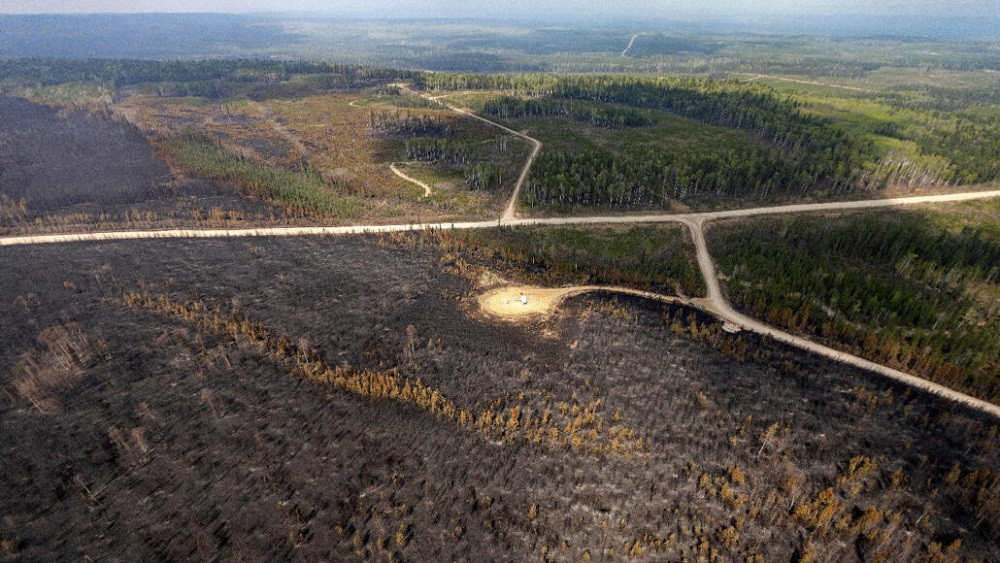
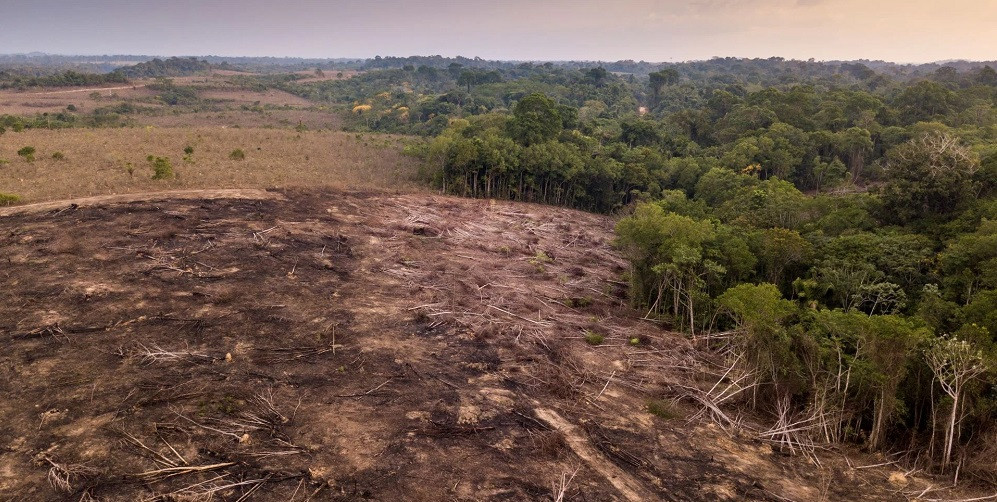
Scientific evidence shows that the quality of a habitat is influenced by geography, land use, vegetation, and climate conditions. Climate change, in particular, has intensified habitat degradation. Areas facing rising maximum temperatures and reduced rainfall have suffered severe habitat fragmentation, while regions with increasing rainfall trends have experienced relatively lower impacts.
Habitat Pressures in Nepal
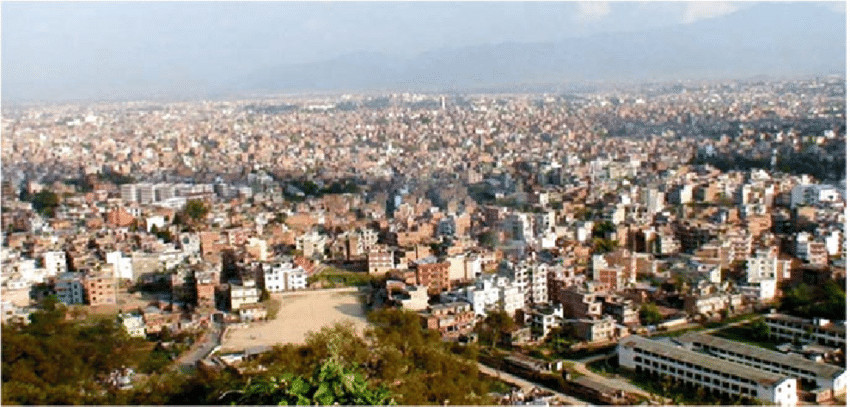
Nepal presents critical lessons in balancing development with environmental sustainability, as its diverse regions face growing pressures on habitats. In the Kathmandu Valley, once abundant in wetlands and fertile farmlands, unchecked urban expansion has replaced natural landscapes with concrete, displacing countless species and worsening air and water quality.
GIS and remote-sensing studies reveal a dramatic transformation of the valley’s land use over the past five decades. Built-up areas, which covered only about 41 km² in the 1970s, expanded to nearly 177 km² by 2018, primarily driven by rapid population growth and unplanned peri-urban development.
Between 1990 and 2010 alone, Kathmandu District lost approximately 9.3% of its forest cover, 9.8% of agricultural land, and an alarming 77% of its surface water bodies as they were converted into settlements. These changes have significantly reduced ecosystem services such as groundwater recharge, natural flood control, and wildlife habitat, while intensifying challenges like urban heat, water scarcity, and pollution. Projections based on predictive GIS models warn that by 2040, nearly half of the valley’s watershed could be transformed into built-up land unless immediate policy interventions and green infrastructure measures are implemented.
Similarly, the Chure region, often described as Nepal’s ecological backbone, is under severe threat from rampant sand and gravel extraction, deforestation, and unplanned settlements. These activities not only erode wildlife habitats but also heighten disaster risks such as floods and landslides.
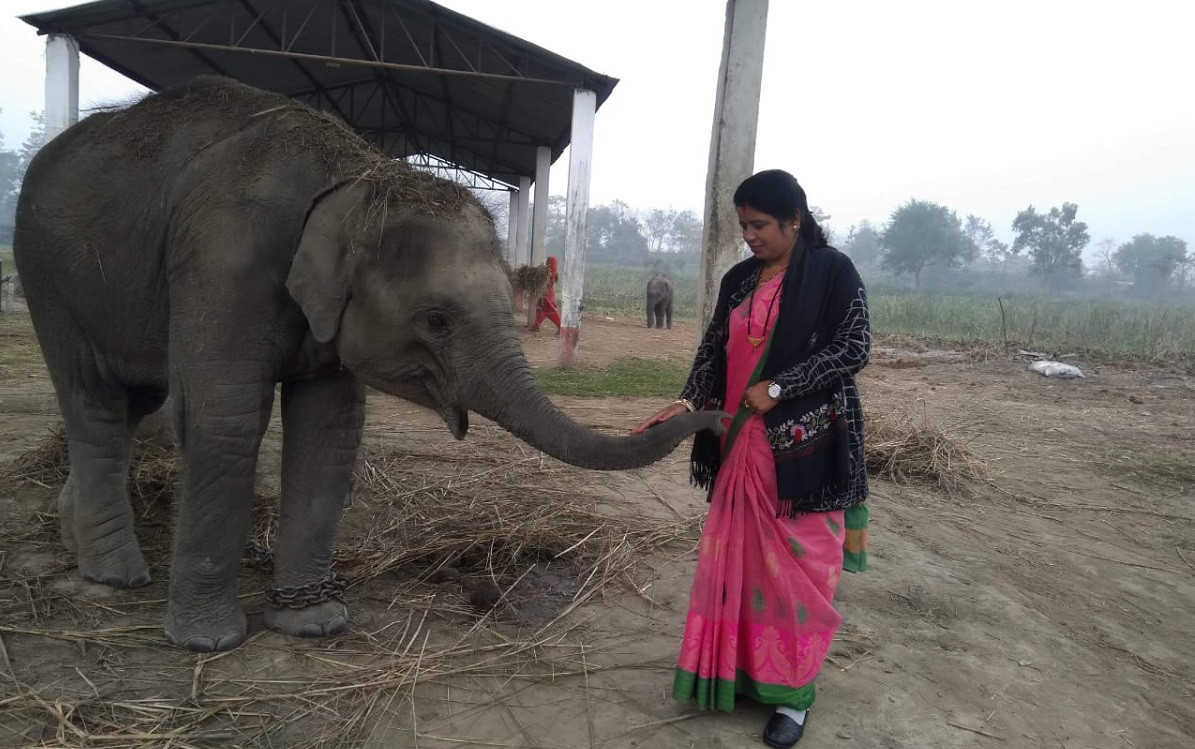
Meanwhile, the Terai grasslands, home to globally significant species such as the one-horned rhinoceros and Bengal tiger, are witnessing accelerating habitat shrinkage due to agricultural encroachment and infrastructure projects.
Conservationists warn that unless sustainable land use planning is prioritized, Nepal risks losing biodiversity essential not only to its own ecological stability but also to the global environment.
Bridging Rights and Responsibilities
As Nepal faces mounting challenges from climate change and urbanization, the worldwide plea for “Shelter is My Right” must expand to include the rights of future generations, and to inherit not just adequate housing, but also thriving ecosystems. The message of World Habitat Day resonates deeply in Nepal as providing shelter is inseparable from protecting habitats. Urban development must not come at the cost of ecological collapse. Integrating green infrastructure, eco-friendly housing designs, and GIS-informed land-use planning, together with strict enforcement of zoning and environmental regulations, are crucial steps forward.
By Aastika Bhujel