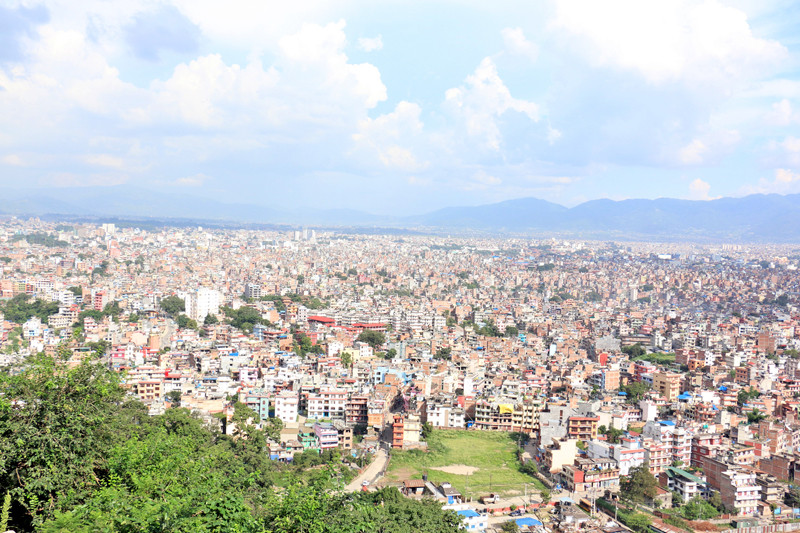
Kathmandu-
Every year, on 16th September, the world comes together, highlighting the ozone layer’s role in shielding life from harmful ultraviolet radiation and reinforcing global efforts to protect it.
About the Ozone Layer
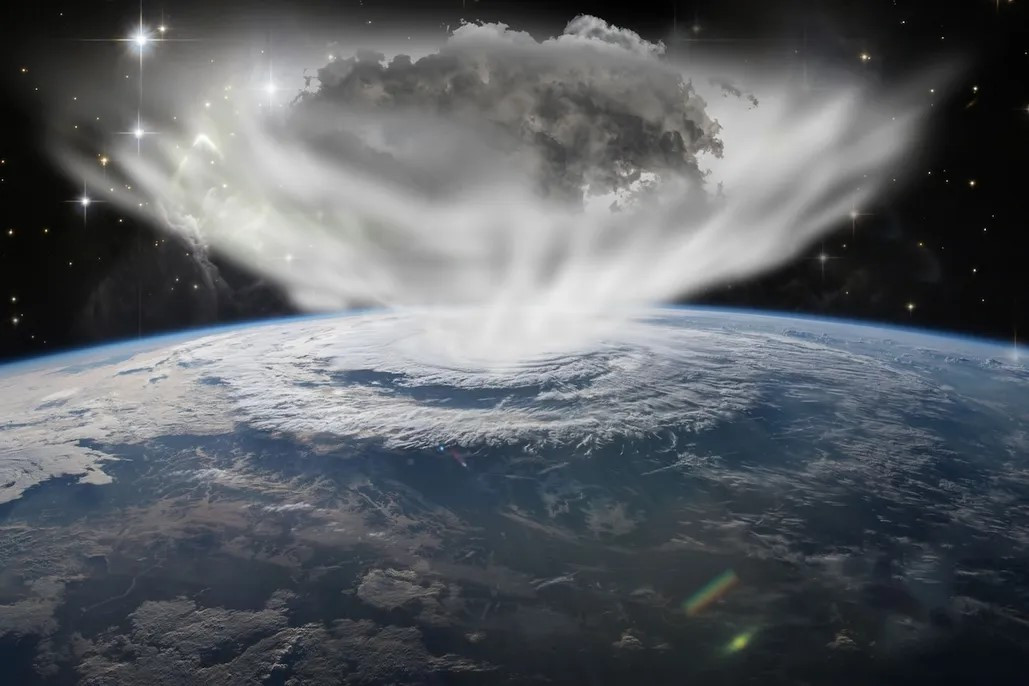
The ozone layer is located in the stratosphere. The ozone layer acts as Earth’s natural shield against harmful ultraviolet radiation (UV-B) from the sun. Excessive ultra-violet exposure can lead to skin cancer, cataracts, immune system suppression, and can also reduce crop yields and disrupt ecosystems. In the late 20th century, scientists discovered that man made chemicals such as chlorofluorocarbons (CFCs), halons, and hydrochlorofluorocarbons (HCFCs) were causing significant depletion of this protective stratospheric layer.
The Montreal Protocol signed in 1987 and sanctioned by all UN member states, became the cornerstone of global efforts to eliminate about 100 man-made ozone depleting chemicals (ODS). Complemented by the Vienna Convention (1985) and later amendments, including the Kigali Amendment targeting hydrofluorocarbons (HFCs) as non-ozone depleting alternatives, one of the most successful international environmental agreements addressing ozone depletion and contributing indirectly to climate mitigation.
Global Efforts and Their Impact on Ozone Protection
Over the past few decades, coordinated international action has delivered significant progress in protecting and restoring the ozone layer. One of the most notable achievements has been the global phase-out of ozone-depleting substances (ODS) such as chlorofluorocarbons (CFCs) and halons, which were once widely used in refrigeration, aerosols, and fire suppression but are now largely banned under the Montreal Protocol. Building on this momentum, the Kigali Amendment, adopted in 2016, expanded the Protocol to include the phase-down of hydrofluorocarbons (HFCs). According to the UN, while HFCs do not deplete ozone, they are potent greenhouse gases, and their reduction is crucial for linking ozone protection with climate change mitigation.
Scientific assessments continue to show encouraging trends. A 2024 report by the World Meteorological Organization (WMO) confirmed that, if current international agreements are fully implemented, the ozone layer is on track to recover to pre-1980 levels by the middle of this century in many parts of the world. Still, domestic grassroot experiences highlight the complexity of enforcement. In parallel, several European countries have advanced coal phase-out strategies, with Germany committing to exit coal power by 2038 and the United Kingdom already did. These measures highlight how ozone recovery efforts are increasingly aligned with broader agendas of net zero emission to fight this increasing climate change. Countries have demonstrated both successes and challenges. India has actively implemented public awareness campaigns and HCFC phase-out programs, while China faced temporary setbacks due to illegal CFC-11 production but has strengthened enforcement in response.
Nepal’s Efforts in Protecting the Ozone Layer
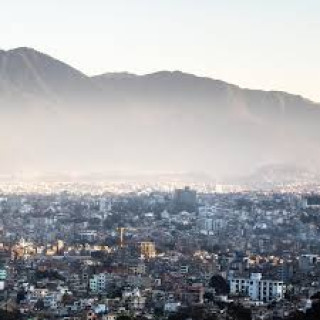
Nepal ratified the Montreal Protocol and its amendments in 1994, and in 2025, sanctioned the Kigali Amendment to curb HFC use. National regulations, including the Ozone Depleting Substances Consumption Rules, 2001, regulate the import and use of ODS. However, Nepal has faced challenges in enforcement, with reports of illegal HCFC trade and occasional non-compliance in reporting consumption. Scientific studies underscore the importance of ozone monitoring in Nepal’s unique geography. Studies in Langtang, Kathmandu, and Pokhara indicate seasonal variations in ozone and UV exposure, with high altitude regions at greater risk. Research in Chitwan shows ambient ozone can reduce mungbean yields.
In line with global efforts such as the European coal phase-out, Nepal has also emphasized a clean energy pathway, prioritizing hydropower and renewable alternatives over fossil fuels. This approach supports the country’s commitments to ozone protection and reinforces its broader climate change mitigation strategy.
Continuing the Effort
The progress achieved so far shows that international solidarity, backed by science and strong national action, can bring real change. For Nepal, strengthening enforcement, investing in research, and encouraging public participation are essential to sustain these gains. Global experiences, from Europe’s coal phase-out to regional awareness campaigns in Asia, underline how ozone protection and climate action are increasingly interconnected. As Nepal prioritizes hydropower and renewable energy, it not only supports ozone preservation but also reinforces broader climate goals.
Aastika Bhujel