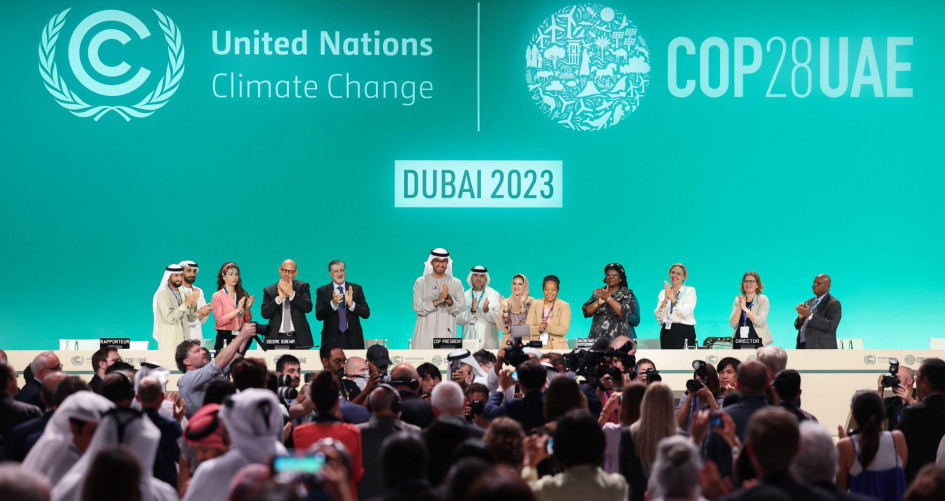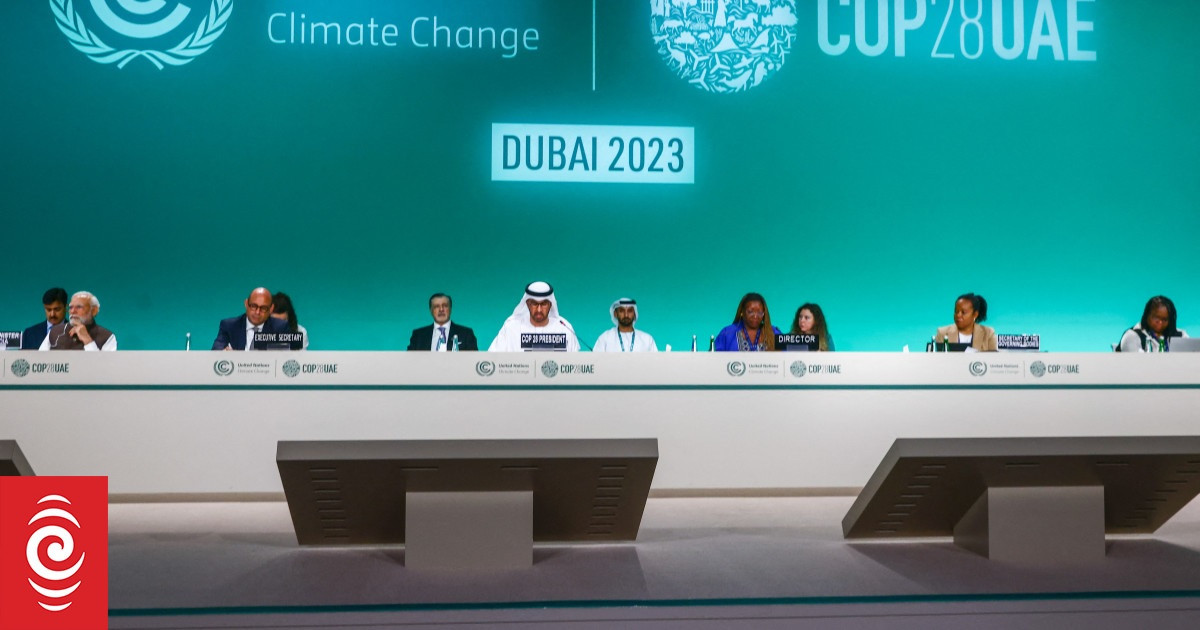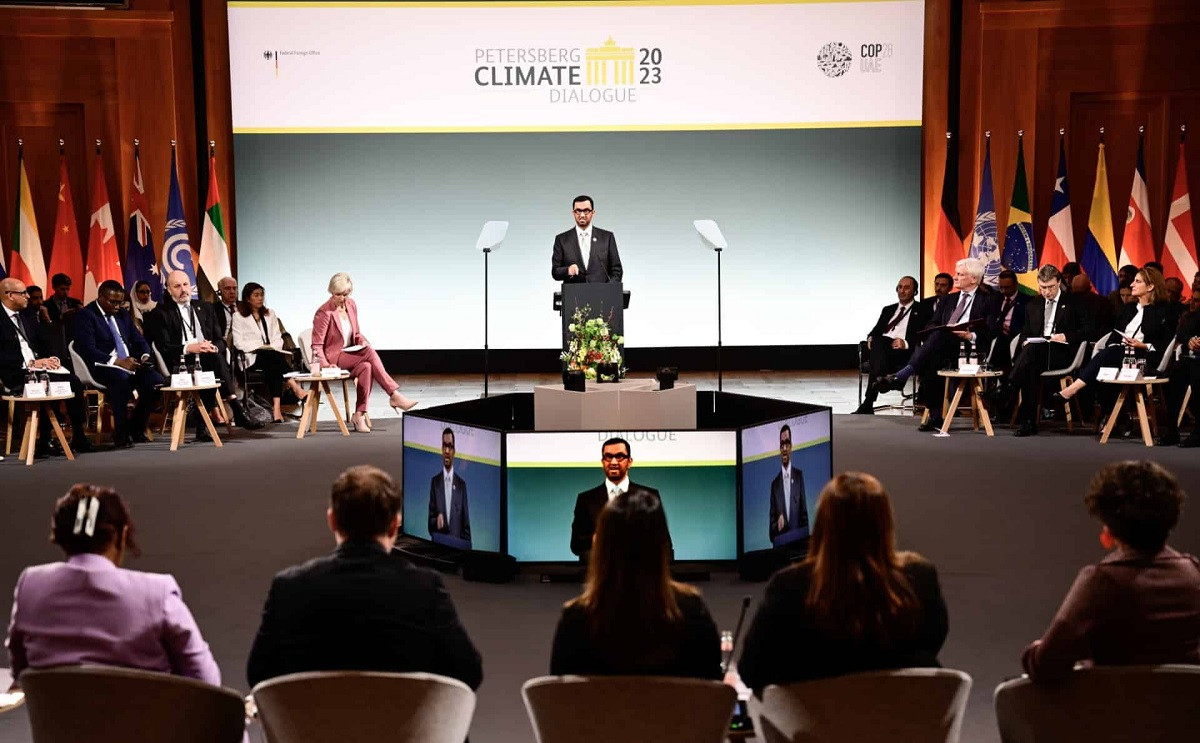

Dubai: The UN-led Conference of Parties 28 (COP28) conference in the UAE adopted the landmark ‘UAE Consensus’ on climate change on Wednesday, December 13.
Representatives from 197 countries, in addition to the EU, approved the UAE Consensus – which contains language on fossil fuels for the first time ever.
“Over the last two weeks, we have worked very hard to secure a better future for our people and our planet,” said COP28 President Sultan Al Jaber.
The hall erupted in loud cheers and saw a standing ovation after the COP President said, “We have language on fossil fuels in our final agreement for the first-time ever.”
Sultan al-Jaber says the deal offers a "comprehensive response" to climate change, representing a "robust action plan to keep 1.5C in reach".
"Together we have confronted realities and we have set the world in the right direction," he says.
Al-Jaber goes on to say this is a plan that's "led by the science" and a "balanced plan" to tackle emissions and deliver on loss and damage caused by climate change.
The new Global Stocktake, released early Wednesday morning, asked countries to transition away from fossil fuels to hit net zero by 2050. The COP28 Presidency released a proposed text of a final climate deal on Wednesday that would, for the first time, push nations to transition away from fossil fuels to avert the worst effects of climate change.
The key takeaway points are:
- Countries will "contribute... to transitioning away from fossil fuels in energy systems in a just, orderly and equitable manner". This is the first time there has been a clear reference to the future of all fossil fuels (coal, oil and gas) in a COP text. It doesn't include any wording on the "phase out of fossil fuels" - something many governments wanted
- There is a recognition that global emissions will likely peak before 2025 - and that for developing nations this may be later
- On adaptation and finance, the language appears to have been weakened, with the text "reiterating" rather than "requesting" developed countries give support to vulnerable nations facing climate change