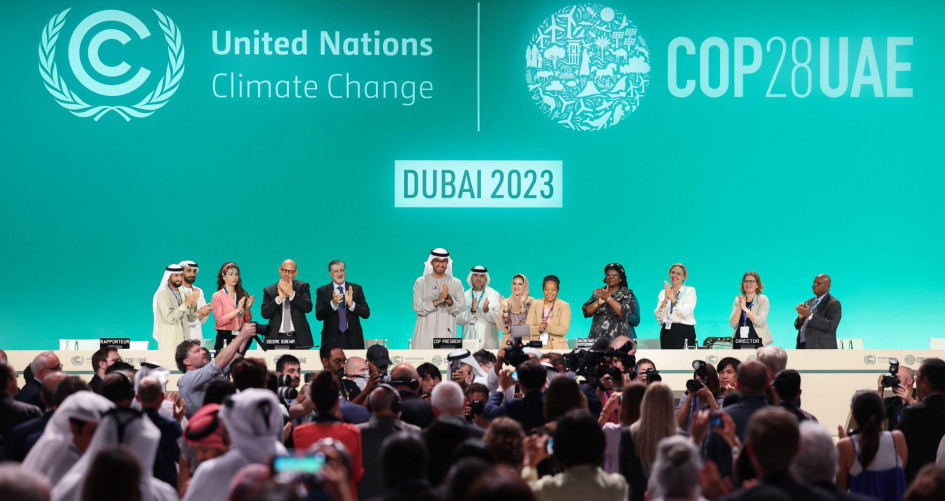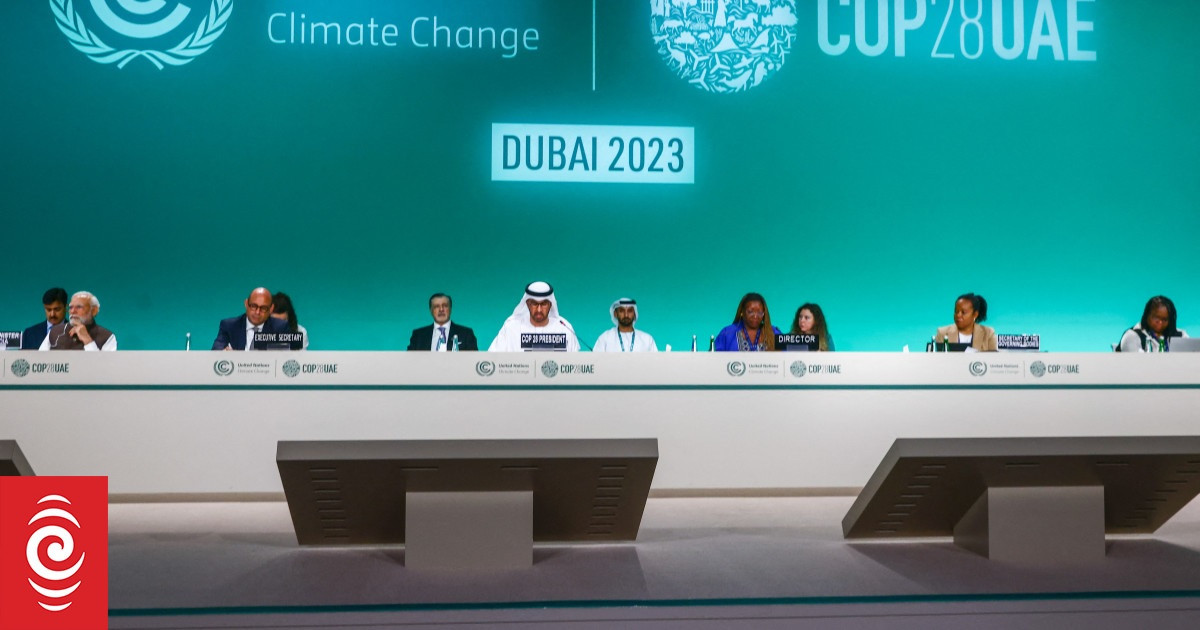
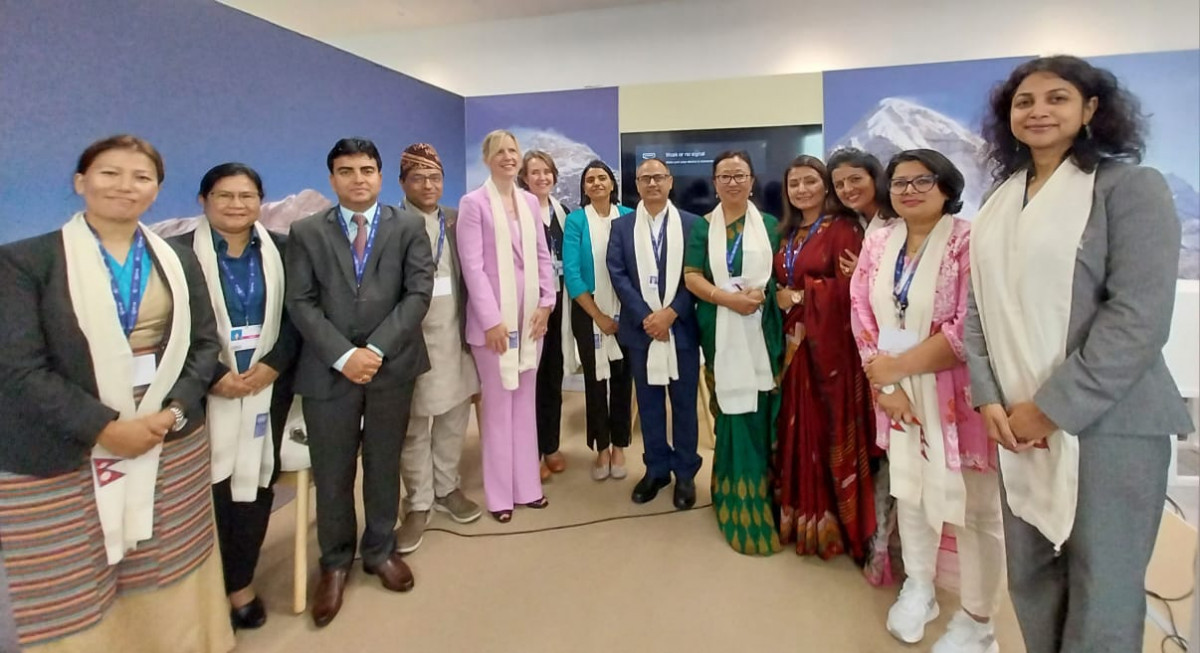
KATHMANDU - During the COP-28, speakers at the Nepal Pavilion emphasized the necessity of investing in climate finance to promote gender equality and inclusion. The program, titled 'Finance for Gender Equality and Social Inclusion Commitments of Nepal's NDC Implementation,' was jointly organized by the Government of Nepal, UN Women, and UNDP.
Binita Kathayat, a Member of the House of Representatives, addressed the program, highlighting the heightened vulnerability of women in the mountainous regions of Nepal due to climate change. She stressed that climate finance is indispensable for achieving gender equality, asserting that addressing climate change issues requires addressing women's challenges. Kathayat drew parallels between the impacts of climate change and the spread of infectious diseases like dengue in mountainous areas.
Deepa Oli, a Forest Officer from the Ministry of Forests and Environment, presented a paper on 'JC Approach to Nepal's Climate Change Intervention: Emphasis on NDC's JC Commitment.' Wali underscored the diverse effects of climate change and noted that women, particularly those from marginalized communities, are the most vulnerable. She argued that an inclusive society necessitates gender equality, advocating for increased funding to support this goal.

Dr. Radha Wagle, an expert in women and climate adaptation, emphasized the importance of considering marginalized communities and women in addressing climate change. She pointed out that existing policies and programs intended for gender equality have not been effectively implemented and urged for gender-responsive budgeting in both internal government budgets and those received from climate finance.
In a panel discussion on gender and climate finance, Tasi Lhamu Sherpa, Vice President of Khumbu Pasanglhamu Rural Municipality, highlighted the challenges faced by Himalayan region locals in their livelihoods due to climate change. Sherpa called for a change in the current system of climate finance mobilization to benefit women and at-risk communities.
Kholak Vichet Ratha, Executive Director of Cambodia's Department of Climate Change, discussed the wide-ranging impacts of climate change on Cambodia's economy and women's empowerment. Sharu Joshi, a consultant and gender issues expert, pointed out the negative consequences of climate change in the Himalayan region, such as increased carbon emissions from firewood usage and its disproportionate impact on women. Joshi advocated for policy revisions based on new data and aligned financial mobilization.
Deputy Secretary Muktiram Acharya, head of IECCD's climate department, expressed the government's commitment to addressing community issues at risk through the mobilization of climate finance. Srilata Kamila, a climate adaptation expert, stressed the importance of considering inclusiveness and gender equality in discussions about climate adaptation.
Sarah E. Hendricks, Assistant Executive Director of UN Women Headquarters, commended Nepal's efforts in climate change mitigation and adaptation, emphasizing the need to prioritize the implementation of gender equality measures outlined in the latest NDC plan. Maheshwar Dhakal, Joint Secretary of the Ministry of Forests and Environment, underscored the global nature of climate change and called for collaborative efforts among stakeholders to address these issues, reaffirming the government's readiness for such initiatives.