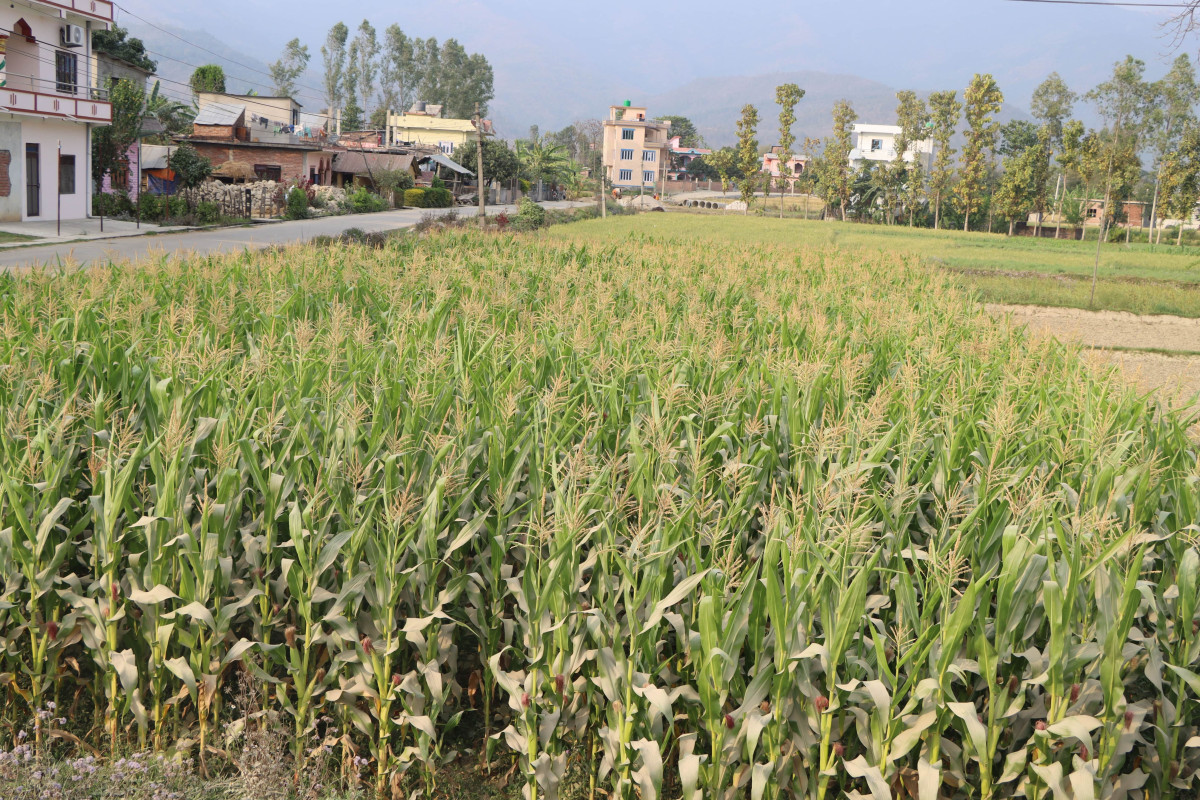
Tulsipur, Dang- In the Deukhuri region of Dang, maize is grown over three seasons as part of the Prime Minister's Agricultural Modernization Project (Maize Superzone). Every year, maize is cultivated over 3,800 hectares in winter, spring, and monsoon seasons, with more farmers engaged in spring maize cultivation.
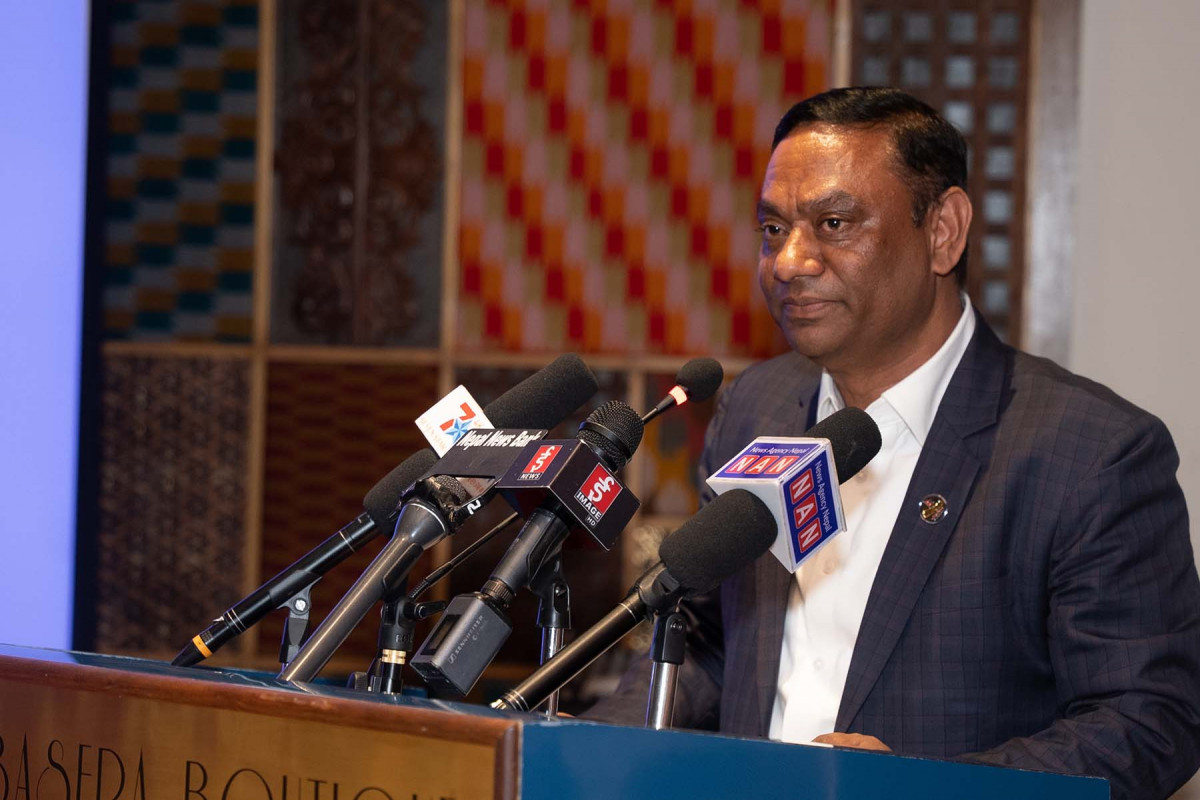
According to Chandrashobha Kandel, the information officer, the three-season cultivation results in an additional production of 32,000 metric tons. He mentioned that in the fiscal year 2022/23, 32,894 metric tons of maize were produced. He noted that production has been increasing annually, with 26,455 metric tons produced in the previous fiscal year 2021/22. The Ramapur Hybrid-10 variety of maize is primarily grown in the Deukhuri area.
Kandel stated that the area under maize cultivation is also increasing each year. In the fiscal year 2021/22, maize was cultivated on 3,700 hectares, while in 2022/23, the area of land for maize cultivation increased to 3,800 hectares. This trend indicates a growing interest among farmers in maize cultivation. The office provides seeds to farmers at a 50% subsidy. In addition to Ramapur, seeds of Hybrid-10, Arun-2, and Ramapur Composite varieties are also provided at a subsidized rate, encouraging maize farming. The maize produced by farmers is sold in shops and grain industries, and since seed companies purchase the seeds, there are no issues with marketing, according to Kandel.
Various technologies are being employed for maize cultivation. Depending on the geographic arrangement, maize is sown using tractors at first, then rotavators, seed drills, and jowar planters. The cultivation of maize on formerly arid lands has expanded farmers' revenue streams, Kandel continued.
Maize cultivation is taking place in Lamahi Municipality, Gadhwa, Raptai, and Rajpur Rural Municipalities in Dang. Monsoon maize is sown in the month of April to May, winter maize in September to October, and spring maize in January to February. The Maize Superzone program has been operational in Dang since the fiscal year 2016/17, aimed at establishing specialized areas for various crops to promote production, value chains, modernization, and commercialization. Since the implementation of the Superzone program, maize production in Deukhuri has begun to take a commercial leap.
According to Kandel, “It was thought that maize could only be grown in this region during the monsoon season. It was essential to change this mindset among farmers. To achieve this, we prioritized winter and spring cultivation through a results-based incentive subsidy program.”
Currently, farmers in Deukhuri have developed a practice of cultivating maize in both winter and spring seasons. Various custom hiring centers have been established and are operating in different locations in Deukhuri, allowing farmers to rent modern agricultural machinery for maize cultivation.
Source: RSS
By Aastika Bhujel