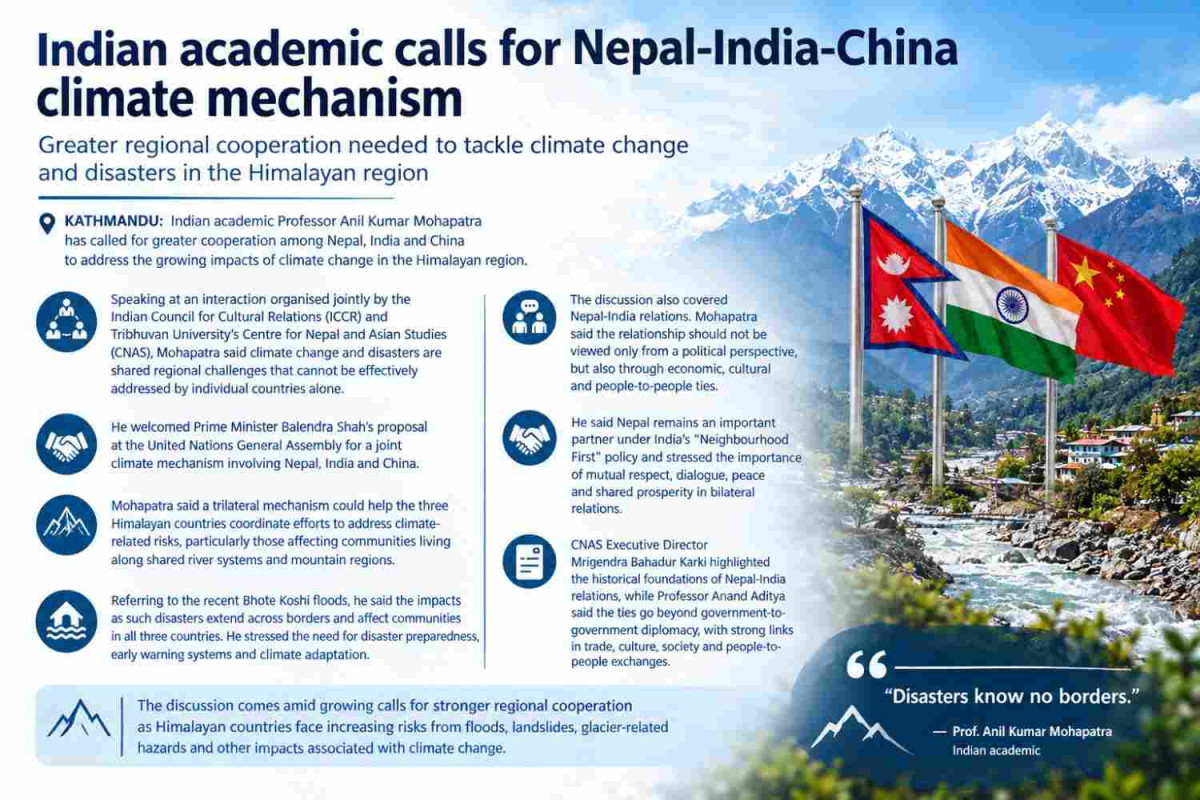
KATHMANDU: Indian academic Professor Anil Kumar Mohapatra has called for greater cooperation among Nepal, India and China to address the growing impacts of climate change in the Himalayan region. Speaking at an interaction organised jointly by the Indian Council for Cultural Relations (ICCR) and Tribhuvan University’s Centre for Nepal and Asian Studies (CNAS), Mohapatra said climate change and disasters are shared regional challenges that cannot be effectively addressed by individual countries alone. He welcomed Prime Minister Balendra Shah’s proposal at the United Nations General Assembly for a joint climate mechanism involving Nepal, India and China.
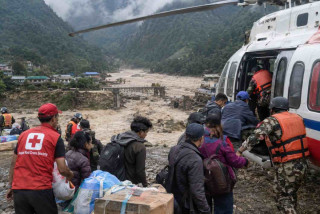
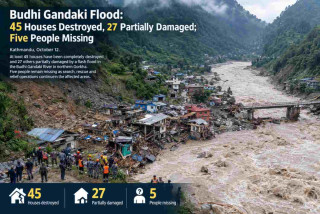
Mohapatra said a trilateral mechanism could help the three Himalayan countries coordinate efforts to address climate-related risks, particularly those affecting communities living along shared river systems and mountain regions. “Disasters know no borders,” he said, stressing the need for Nepal, India and China to work together to tackle the climate crisis. Referring to the recent Bhote Koshi floods, Mohapatra said the impacts of such disasters extend across borders and affect communities in all three countries. He argued that regional cooperation would be important for disaster preparedness, early warning systems and climate adaptation.
The discussion also covered Nepal-India relations. Mohapatra said the relationship between the two countries should not be viewed only from a political perspective, but also through economic, cultural and people-to-people ties. He said Nepal remains an important partner under India’s “Neighbourhood First” policy and stressed the importance of mutual respect, dialogue, peace and shared prosperity in bilateral relations. CNAS Executive Director Mrigendra Bahadur Karki highlighted the historical foundations of Nepal-India relations, referring to the foreign-policy approaches of rulers from Ram Shah to Prithvi Narayan Shah.
Professor Anand Aditya said Nepal-India relations go beyond government-to-government diplomacy, with strong links in trade, culture, society and people-to-people exchanges. The discussion comes amid growing calls for stronger regional cooperation as Himalayan countries face increasing risks from floods, landslides, glacier-related hazards and other impacts associated with climate change.