
Kathmandu, Nepal -
Picture a forest devoid of the sounds of roaring tigers, rustling rhinos, and chirping birds. It may seem tranquil, but if we continue on our current trajectory, this could become our stark reality.
Understanding World Wildlife Day
Are we aware of the significance of World Wildlife Day?
The UN General Assembly designated March 3rd as World Wildlife Day during its 68th session to promote awareness and protect the world’s wild flora and fauna. The Convention on International Trade in Endangered Species of Wild Flora and Fauna (CITES) is an international agreement focused on the protection of endangered species. As CITES celebrates its 50th anniversary this World Wildlife Day, the theme for this year is “Wildlife Conservation Finance: Investing in People and Planet,” highlighting the urgent need to mobilize resources for conservation.
According to a report from WWF, more than one million species are currently threatened with extinction due to habitat loss, climate change, and illegal wildlife trade. Many rescued animals, including big cats, pangolins, primates, and various bird species, fall victim to trafficking, as noted in a report by Mongabay. Furthermore, a joint report by INTERPOL and the World Customs Organization (WCO) reveals that illegal wildlife trafficking occurs for various human needs, including food, commerce, and luxury items. Without immediate action, both wildlife and ecosystems, along with human populations, face dire consequences.
Wildlife is not only a source of natural beauty. It also plays pivotal role in maintaining ecosystem balance, supporting livelihoods, and driving economic growth. Ecosystems provide essential services such as oxygen production, carbon sequestration, climate regulation, and support for agriculture and livestock. For instance, Chitwan National Park generated over 100 million in revenue from tourism in 2024, according to conservation officer Abhinash Thapa Magar. Despite this, the economic outlook is increasingly precarious as wildlife faces extinction due to habitat fragmentation, destruction and poaching.
The Living Planet Report 2024 indicates a staggering 73% decline in wild populations between 1970 and 2002. A study by Becerra et al. (2002) underscores the growing threat of hunting for meat, fur, and horns, which disrupts entire ecosystems. The International Union for Conservation of Nature (IUCN) has identified 42,100 species as threatened, with 26% being mammals. The illegal wildlife trade continues to pose an unprecedented threat to biodiversity, as reported by UNODC in 2024.
Nepal’s Conservation Achievements and Challenges
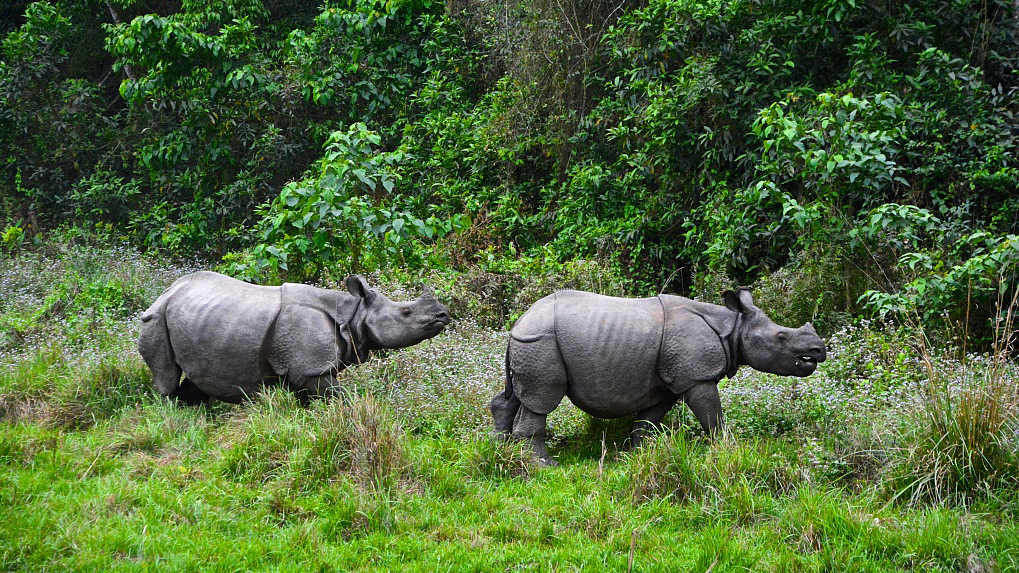
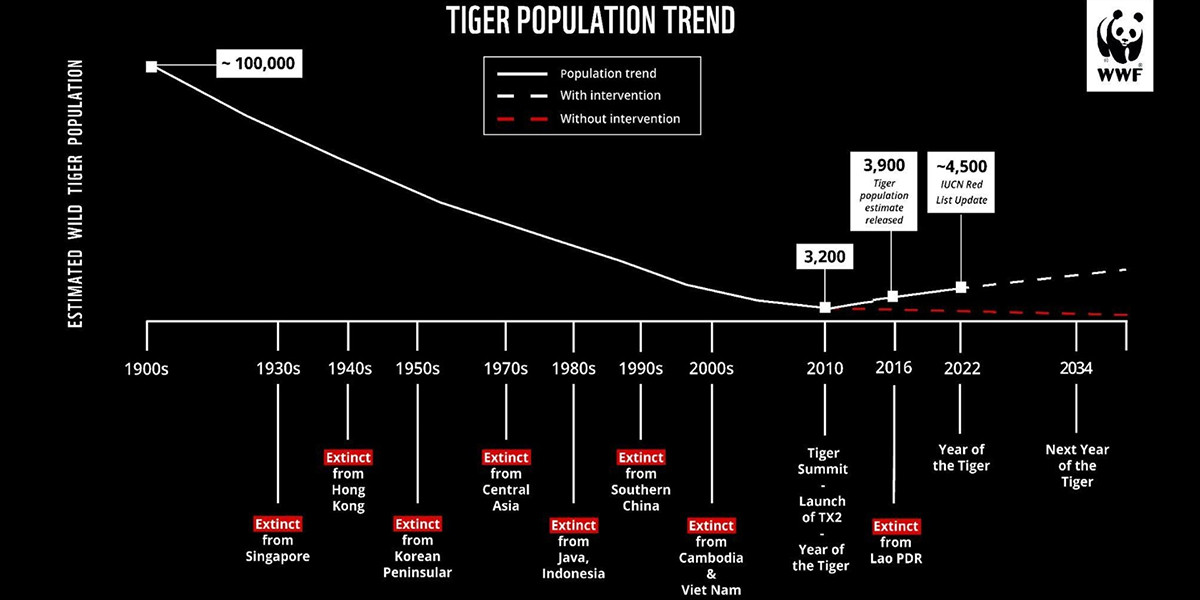
In the past four decades, Nepal has made notable strides in wildlife conservation (Aryal & Aryal, 2023). According to WWF, Nepal’s tiger population has surged from 121 in 2009 to 355 in 2024, thanks to stringent anti-poaching laws and community-based conservation initiatives. Similarly, the one-horned rhino population increased by 16. 6% as of 2021 (NTNC Rhino Census, 2021).
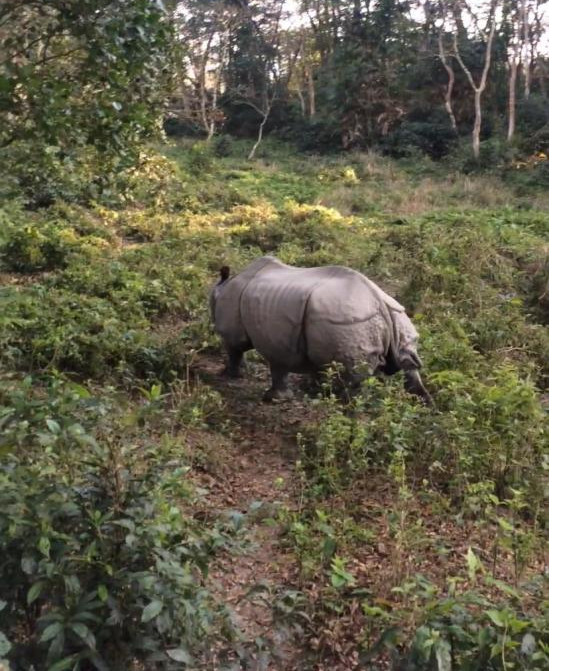

One of the most effective strategies in Nepal has been the Buffer Zone Management Program, which allows local communities to benefit from conservation efforts while actively participating in wildlife protection, says Aryal & Aryal, 2023. However, human-wildlife conflict remains a significant challenge. Dixit et al. (2024) highlight the mixed feelings of residents living near national parks and buffer zones, as conservation projects provide employment opportunities but also expose them to wildlife encounters that threaten their livestock and crops.
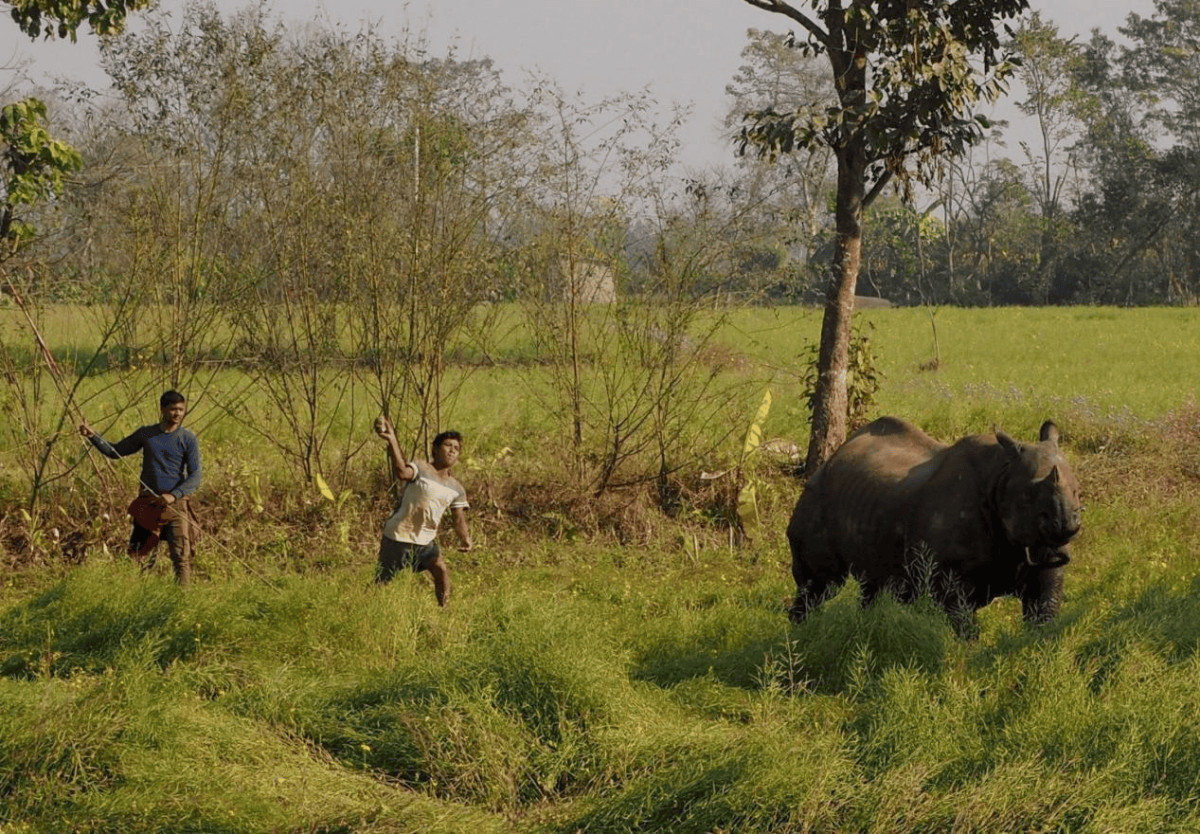
Figure : Human- Wildlife Conflict in village of Bufferzone
But the challenges remains in nearest zone of community forests and bufferzone. The percentage of tiger attack and snake bites mortality rate has been increased. Livelihood who depends on forest, especially marginalized community and poor community are on the frontlines. So, the technology can be friendly and act as a savior of both the wildlife and human at the same time.
The Role of Technology in Wildlife Protection
Modern conservation efforts increasingly leverage advanced technology to monitor and safeguard wildlife. Tools such as drones, camera traps, and GPS remote sensing have revolutionized conservation strategies, allowing for real-time tracking of animal movements and early detection of illegal activities (Kumar et al. , 2023). These technologies enable conservationists and park rangers to respond more effectively, reducing poaching incidents and enhancing the protection of endangered species.
Sustaining Conservation Efforts for Future Generations
Recognizing the need for sustainable conservation strategies, Nepal’s Ministry of Forests and Environment has launched a 10-year action plan for 2024-2034 aimed at protecting species, mitigating human-wildlife conflict, and promoting eco-tourism. This initiative, in collaboration with NTNC, WWF, and IUCN, seeks to strengthen conservation policies and expand responsible tourism models that benefit both people and wildlife.

Using Eco-Tourism to Explore Wildlife
Aastika Bhujel