Solukhumbu– Women in the Everest region are facing severe health issues due to climate change, with a direct impact on reproductive health. Cases of irregular menstruation, pregnancy complications, infertility, and excessive bleeding are increasing. These problems have become common among women living in high-altitude Himalayan regions.
The experience of a 34-year-old woman from Somare, Ward 4 of Khumbu Pasang Lhamu Rural Municipality, highlights the effects of climate change on women’s health. According to her, her menstruation becomes irregular in the village, but after receiving treatment in Kathmandu, it stabilizes—but worsen again upon returning home. "It might be the local climate affecting me," she said.
Many women in the Himalayas face similar reproductive health problems. However, most hesitate to speak openly about their issues, said Namche-based businessman Lama Kaji Sherpa. "For the past few decades, women in the Himalayas have been struggling with reproductive health issues, but most do not openly talk about them. This is one of the consequences of climate change," he explained.
Increasing Health Issues Among Women
According to healthcare worker Ngimdoma Sherpa, problems such as irregular menstruation, excessive bleeding, miscarriages, and infertility are rising among women in the Khumbu region. Many do not seek medical attention, worsening their conditions. Nepal Medical Association General Secretary Sanjiv Tiwari stated that climate change may be disrupting hormonal balance. This can impact reproductive capabilities, make pregnancy more difficult, and cause long-term health problems. As there is serious effects of climate change on women’s reproductive health, further research is necessary.
Environmental Crisis Worsened by Climate Change
Unexpected weather changes in the Everest region have negatively impacted the environment. Glaciers are receding, unseasonal snowfall is occurring, and rising temperatures have disrupted local life.
The Everest Base Camp is sinking deeper every year, and waste left by climbers is exacerbating temperature changes. The melting glaciers are further disturbing climate balance. Tourism entrepreneur Sangay Sherpa stated that glaciers are shrinking, contributing to climate instability.
Declining Food Security and Nutritional Deficiencies Among Women
Agricultural production in the Khumbu region has sharply declined. Traditional crops such as wheat, barley, and buckwheat are no longer yielding as they once did. Local woman Pasang Lhamu Sherpa said, "In the past, crops like foxtail millet (कागुनोको चामल) and buckwheat (अनाज) were abundant, but now we have to leave farmland fallow."
The decline in agricultural production has directly impacted women's nutrition. Pregnant women face an increased risk of poor health due to nutritional deficiencies, which could also affect newborns. Decreasing local food production, the failure of traditional farming methods due to climate shifts, and increasing reliance on imported food have further complicated the situation for women in the region.
A recent UNESCO report, released before the COP conference in Azerbaijan, highlighted the rapid melting of Himalayan glaciers. Waste left by Everest climbers, including plastic, food packaging, and other non-biodegradable materials, has contributed to rising temperatures by increasing solar radiation absorption in the glaciers.
Tourism entrepreneur Pasang Sherpa stated that climbers leave behind their gear, further impacting the region. Local resident Toya Kumar Shrestha from Lukla said, "The once-glistening, snow-covered mountains are turning into dark, rocky slopes, confirming the devastating impact of climate change on the Everest region."
The Need for Climate Change Mitigation
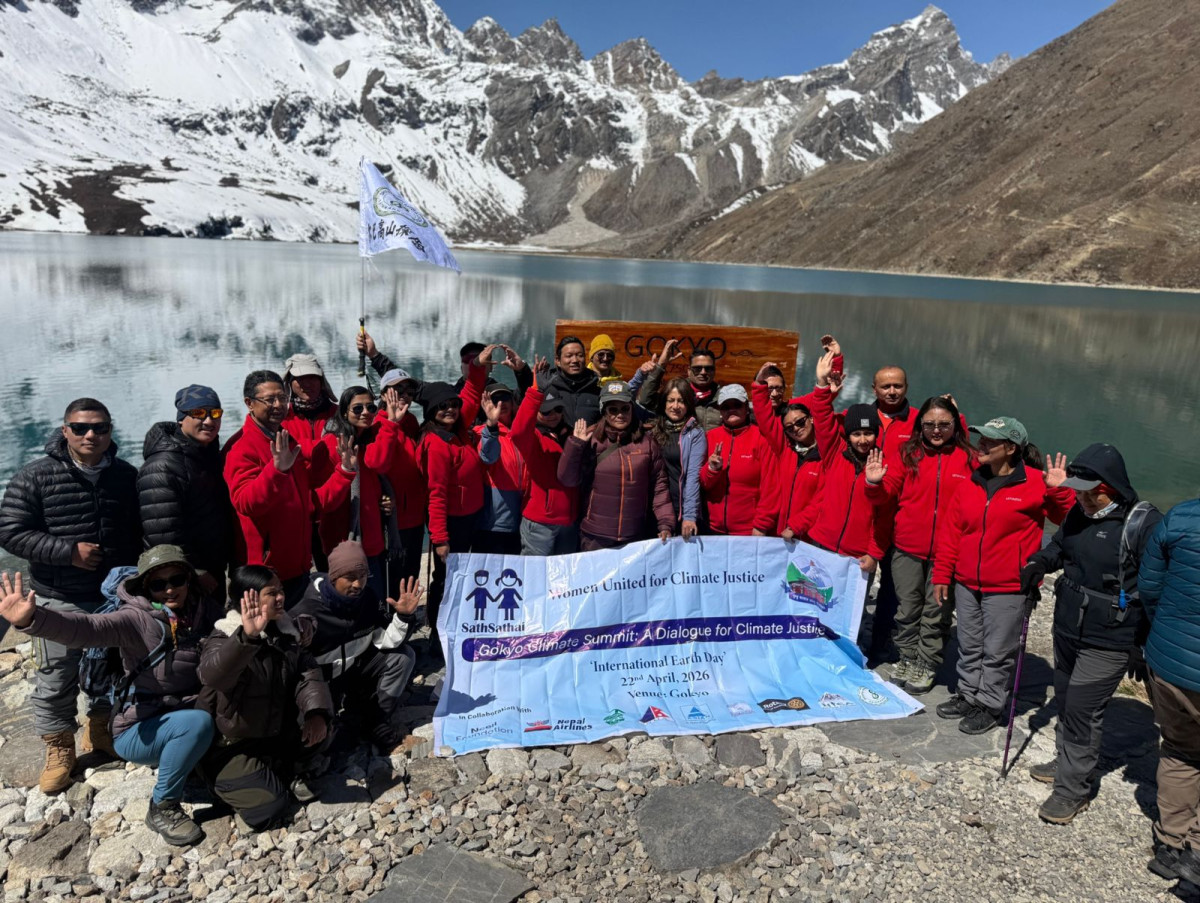
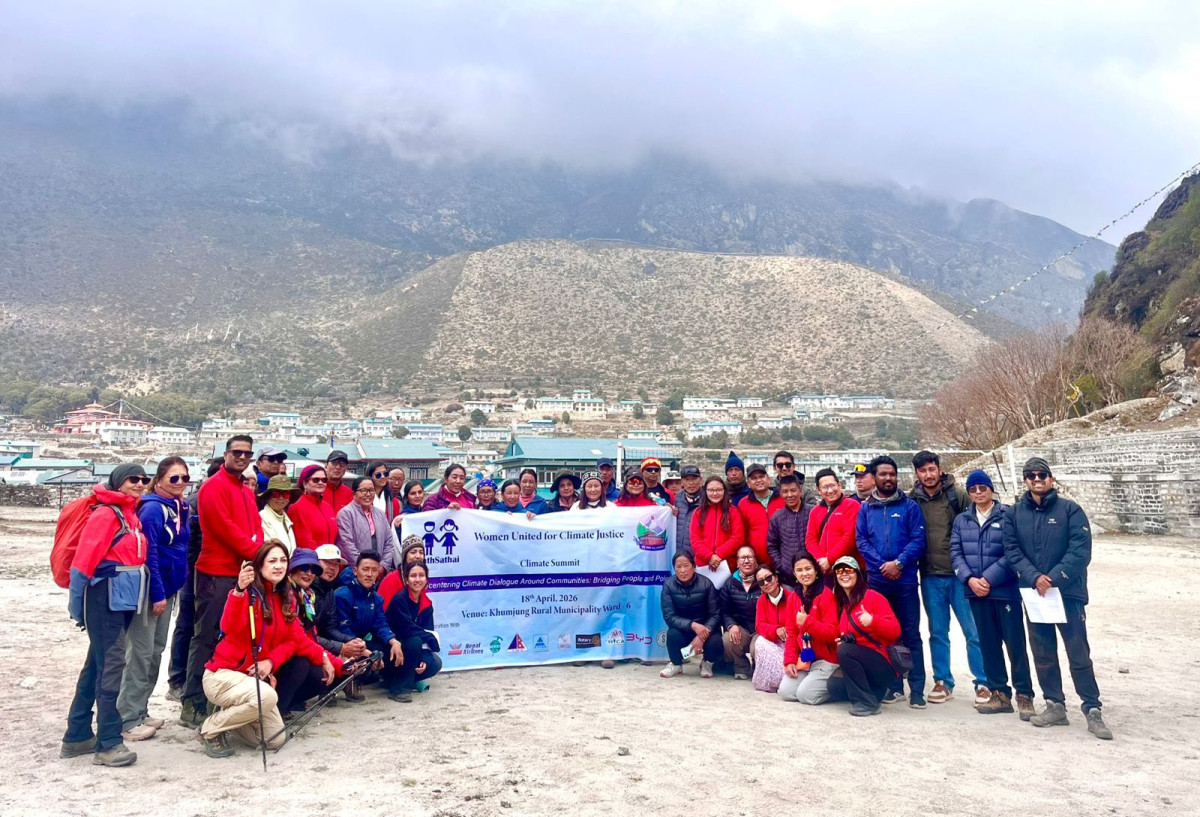
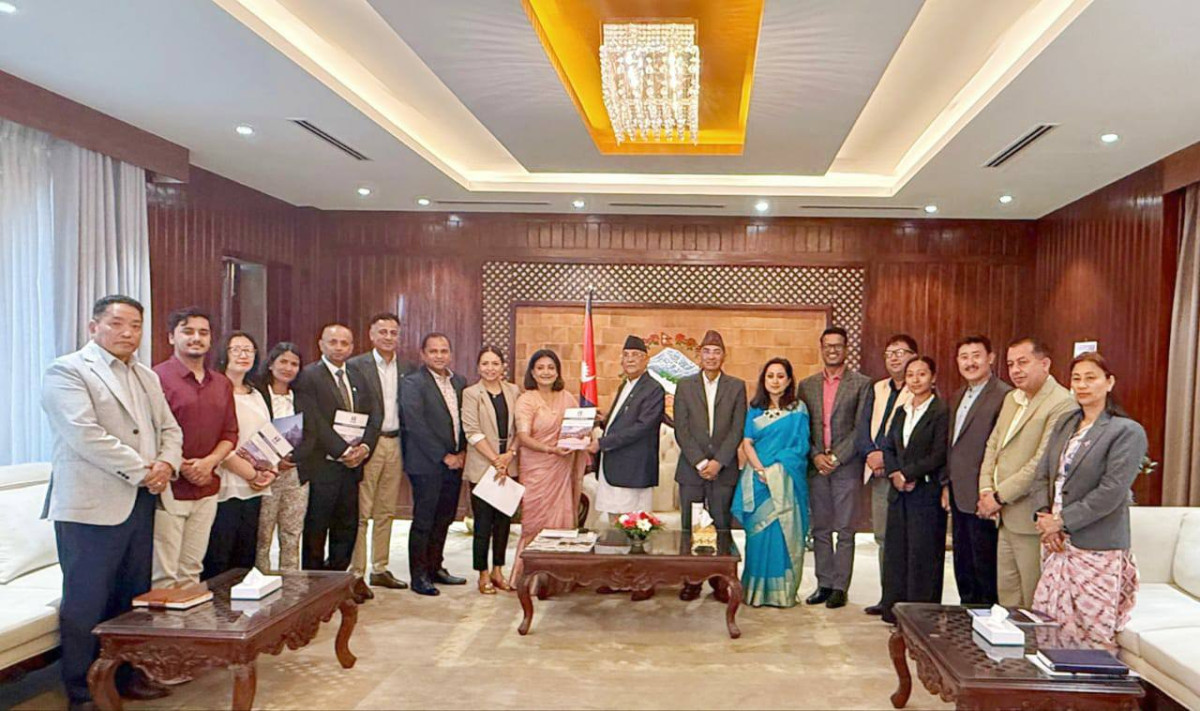
To combat climate change, collective efforts are necessary, said Prajita Karki, chairperson of the SaathSaathai Foundation and a climate activist.
Specialized Health Services: Expanding healthcare services targeting women in the Himalayan region is essential.
Climate Adaptation Strategies: Long-term plans are needed to mitigate environmental imbalances.
Scientific Research: Further studies are required to understand the link between climate change and reproductive health.
Nutritional Improvements: Protecting traditional crops is vital for improving women's nutrition.
Global powers must take concrete steps to mitigate climate change. If climate change is not controlled in time, the health crisis among women in the Everest region will worsen. Experts emphasize the need for local and international organizations to collaborate in finding solutions.
Subash Darnal /Aasteeca Bhujel