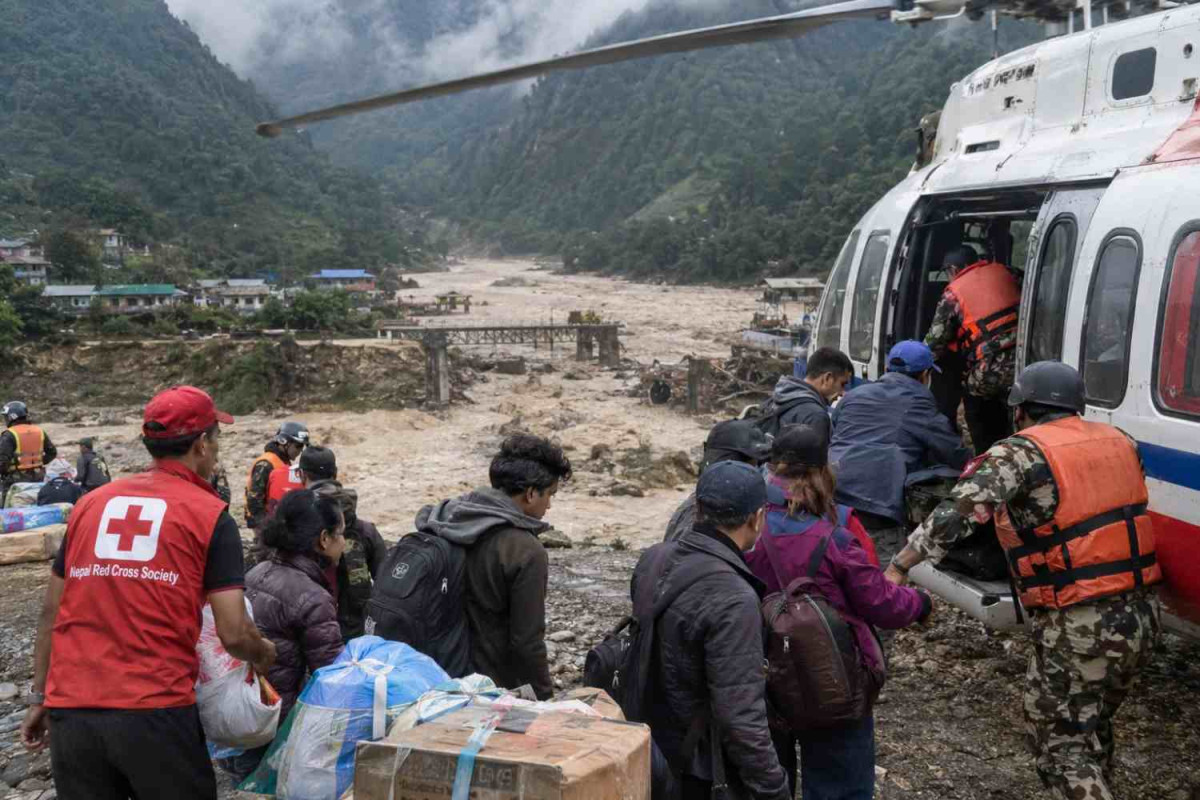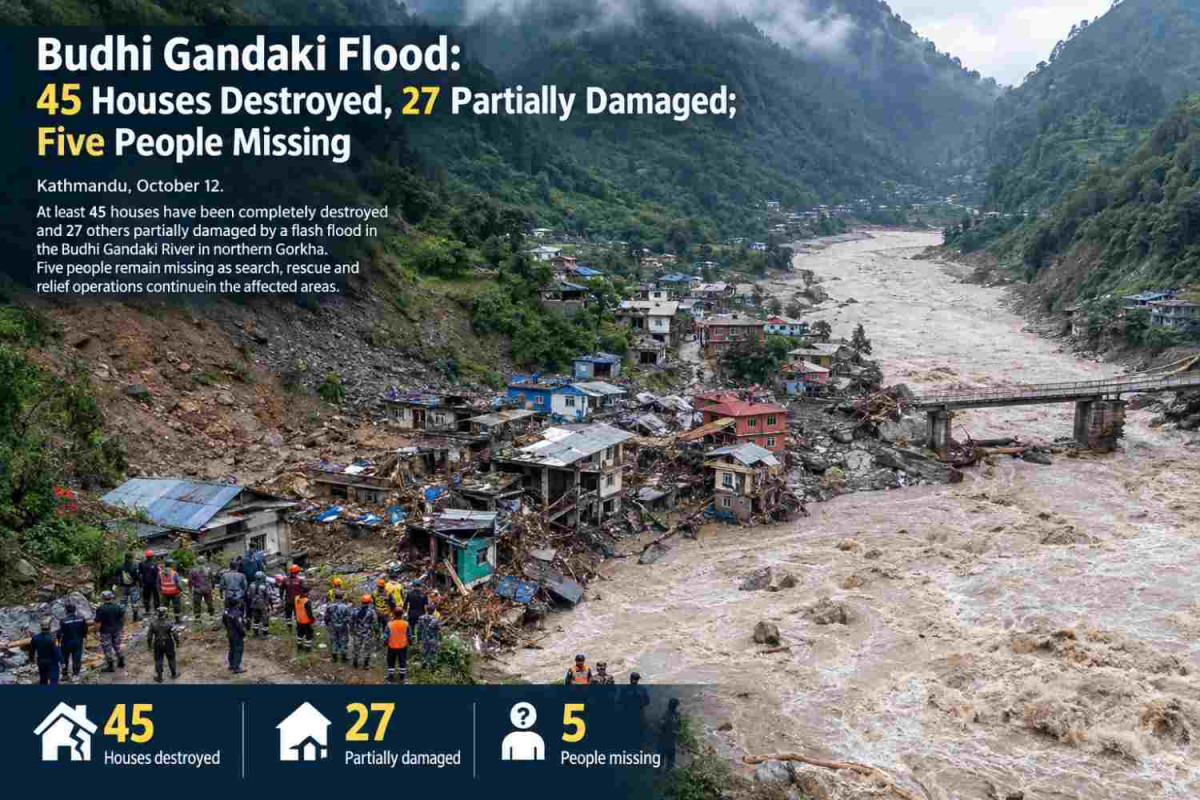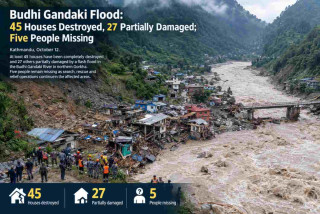
Kathmandu, September 22 — The devastating floods that struck the Bhotekoshi–Trishuli river corridor on August 26 caused extensive loss of life and property across several parts of Nepal, while their human impact has also extended beyond the country’s borders. Foreign nationals who had travelled to Nepal or were passing through the country toward different destinations have also been reported missing.
According to the Department of Tourism, 606 foreign tourists from 36 countries remain missing following the Bhotekoshi flood. Among them are tourists who had travelled to Nepal through various travel and tour operators for the Kailash Mansarovar pilgrimage, as well as visitors heading toward Gosainkunda during the Janai Purnima festival. According to the department, Indian nationals account for the largest number of missing foreign tourists.
According to the Department of Tourism, the missing foreign tourists include 189 from India, 65 from the United States, 55 from Malaysia, 54 from Ukraine, 37 from China, 33 from Australia, 33 from Latvia, 32 from the United Kingdom and 30 from Canada. The remaining missing tourists are citizens of other countries. The department said 310 foreign tourists have been rescued, while 13 others who had initially been reported missing have since made contact.
Meanwhile, according to the latest figures from the National Disaster Risk Reduction and Management Authority (NDRRMA) and Nepal Police, 5,786 people remain missing in connection with the Bhotekoshi flood. Of them, 636 are foreign nationals. The latest official figures put the death toll at 1,451, while 13,784 people have been rescued.
NDRRMA has cautioned that the figures may change as verification and search operations continue.
The difference between the figures for foreign tourists and foreign nationals is important. The Department of Tourism has recorded 606 missing foreign tourists, while the broader NDRRMA disaster figures list 636 missing foreign nationals. The two figures therefore represent different categories and should not be treated as interchangeable.
From Rescue to Search, Recovery and Identification
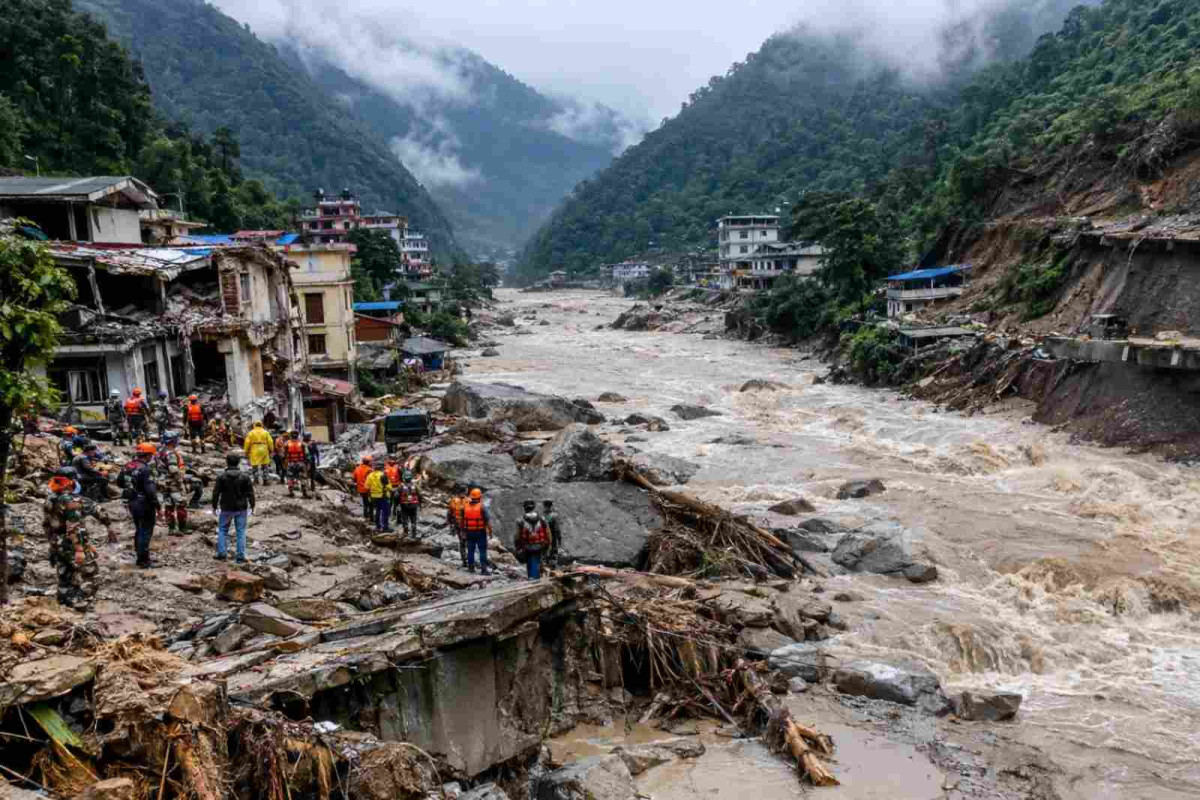
More than three weeks after the floods, search and rescue operations have not completely ended. The search for missing people remains particularly challenging along riverbanks, in buried structures and inside tunnels at hydropower projects.
The floods caused extensive damage to hydropower projects along the Trishuli River. Several tunnels were buried under mud, rocks, timber and other debris. Security personnel and technical teams have been using heavy machinery, drilling equipment and other technologies to search the affected structures.
Some people trapped inside flooded tunnels were also rescued alive after several days. According to Reuters, two Nepali workers were rescued alive from a tunnel at the Trishuli 3A hydropower project after nine days. A Chinese national was also later found alive inside a tunnel at another hydropower project.
These rescues demonstrate that the possibility of finding survivors can remain even after an extended period. At the same time, the ongoing operation has increasingly involved the search and recovery of bodies and human remains, as well as efforts to identify them and establish contact with their families.
From a Himalayan Event to a Major River Disaster
International studies and reports on the August 26 disaster indicate that a major collapse involving glacial and rocky terrain in the Himalayan region triggered a massive flow of floodwater and debris. Reuters reported that the collapse of a large section of the Langtang Lirung glacier generated a landslide and debris flow that caused widespread destruction downstream.
The disaster caused extensive damage across the Trishuli River corridor, including in Rasuwa and Nuwakot. Roads, bridges, settlements and hydropower infrastructure were damaged, while a large number of people were reported missing.
Human Impact Extends Beyond Nepal
Viewing the Bhotekoshi flood solely as a natural disaster confined to Nepal would overlook an important dimension of its human impact. As foreign nationals who had travelled to Nepal for tourism, pilgrimage and other purposes were reported missing, the consequences of the disaster have reached their families and countries of origin.
The reported missing nationals from countries including India, the United States, Malaysia, Ukraine, China, the United Kingdom, Australia, Canada and Latvia demonstrate the broad geographical reach of the disaster’s human impact.
However, rather than formally describing the event as an “international disaster,” it is more factually appropriate to say that the impact of the disaster in Nepal has extended beyond the country’s borders.