Kathmandu, September 23 — United Nations Secretary-General António Guterres, who warned three years ago from Nepal’s Everest region that the ‘roof of the world’ was at risk, has said the impacts of the climate crisis are emerging faster and more severely than anticipated. He stressed that vulnerable and developing countries, which have contributed the least to climate change, are bearing some of its heaviest costs, and called for those responsible for higher levels of pollution to take responsibility for the resulting damage.
Speaking at the opening session of the high-level General Debate of the 81st United Nations General Assembly on Tuesday, Guterres recalled the concerns he had raised in Nepal three years ago, saying they are becoming increasingly real. The accelerating melting of glaciers, extreme weather events and growing climate-related disasters are pushing the world towards a crisis faster than previously expected, he said.
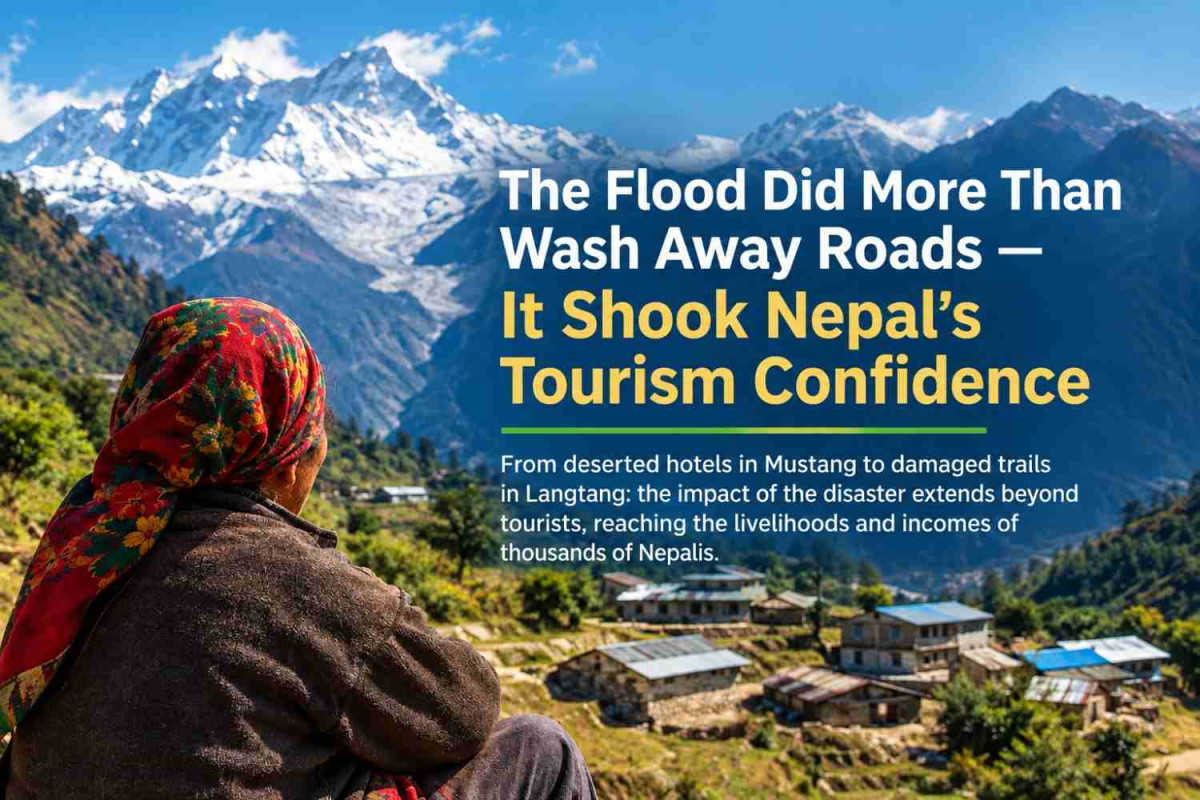
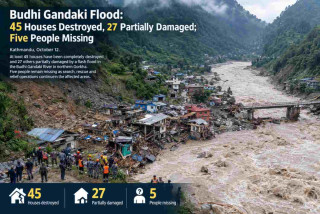
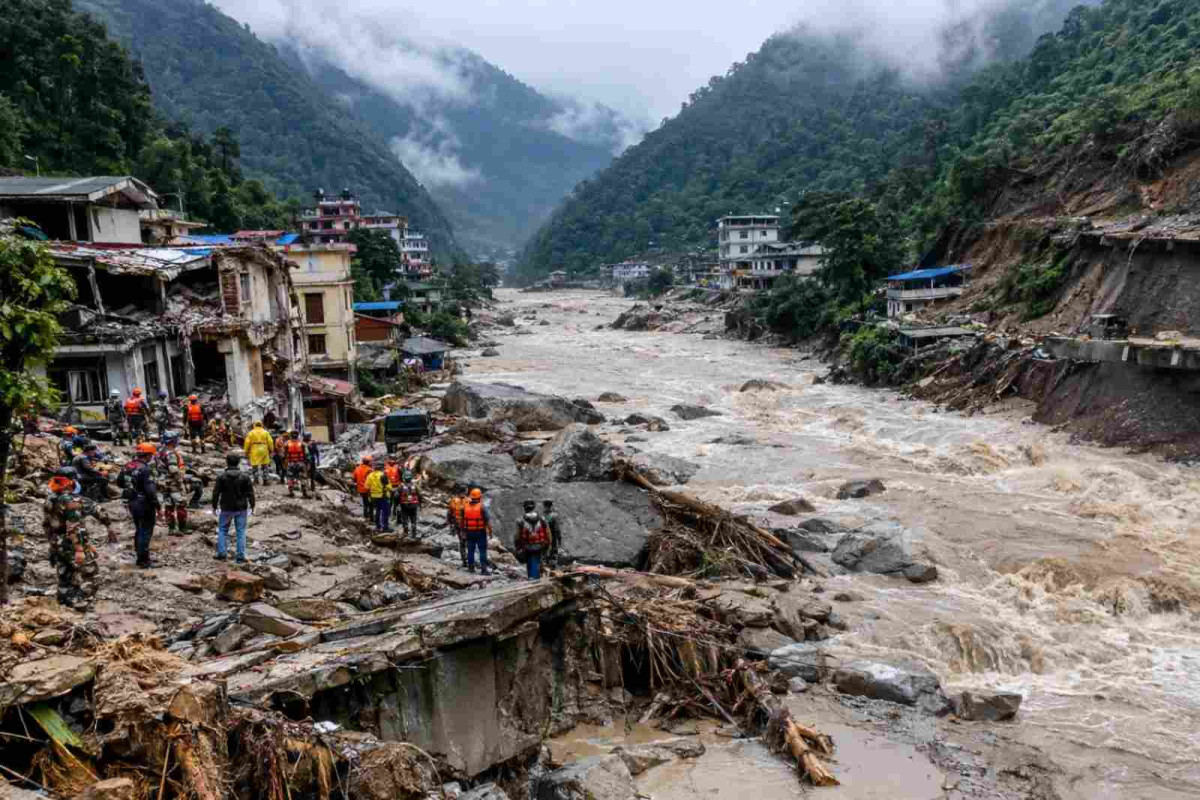
On August 26, a devastating flood in the Bhotekoshi River caused extensive loss of life, property and infrastructure in Rasuwa, Nuwakot, Dhading and surrounding areas. Such events in recent years have further exposed the growing vulnerability of Nepal’s mountain and hill regions to the climate crisis.
Guterres also described the climate crisis as an issue of intergenerational inequality. He argued that it is unjust for future generations and vulnerable communities to bear the consequences of pollution and excessive resource use driven by the present generation.
He said financial support provided to developing countries for climate adaptation remains insufficient, and reiterated his call for developed countries to triple the funding available for adaptation. He also stressed the need to ensure that the fund established to address loss and damage caused by climate change is adequately resourced and made effective.
Guterres drew attention to the imbalance in global climate finance by comparing the nearly $500 billion in profits earned by five major Western oil companies since the beginning of the Russia–Ukraine war with the international public financing available for climate adaptation in developing countries.
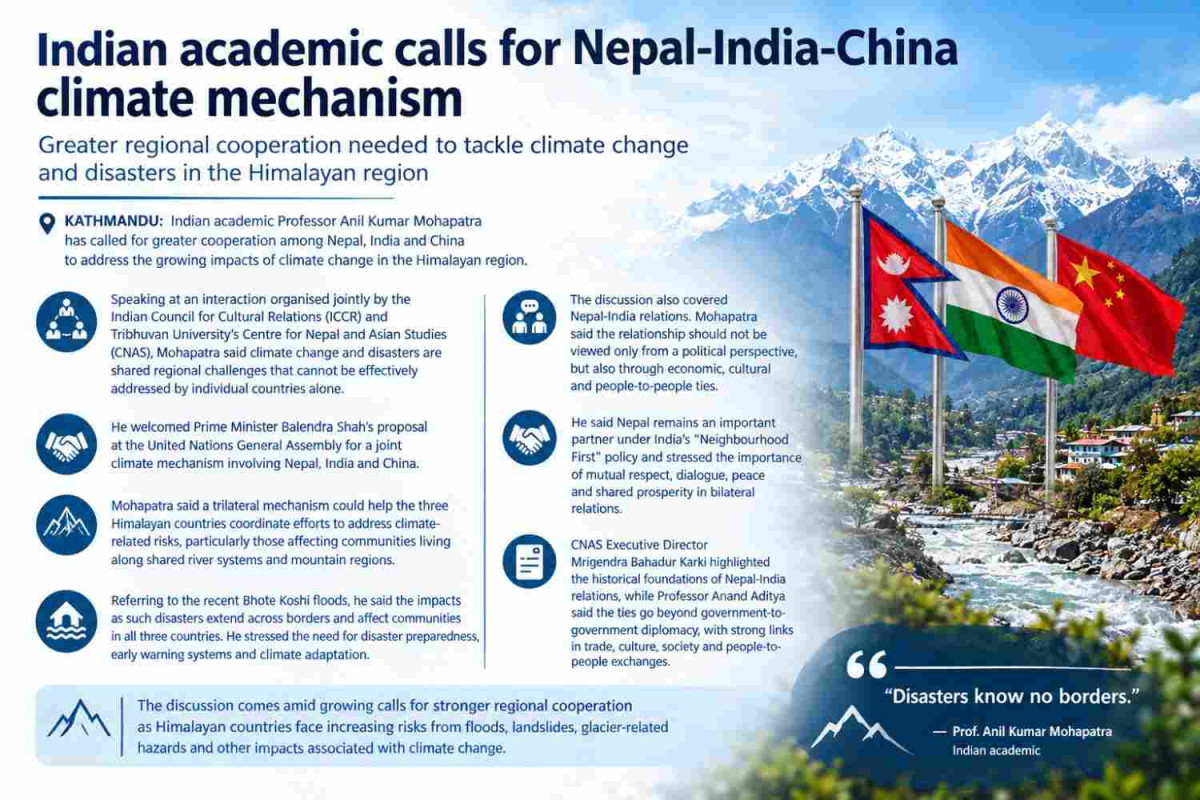
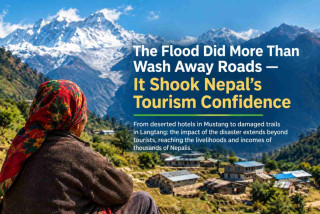
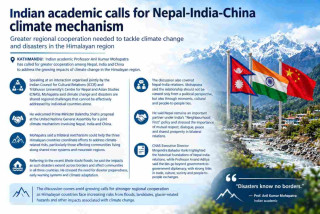
For Himalayan countries such as Nepal, Guterres’ message carries particular significance. Despite contributing relatively little to global climate change, Nepal is already experiencing its impacts through floods, landslides, accelerating glacier melt, changes in water sources and growing threats to livelihoods.
Three years after the warning raised from the ‘roof of the world’ in Nepal, the question of the future of the Himalayas has once again entered the centrer of the global climate debate at the United Nations General Assembly.