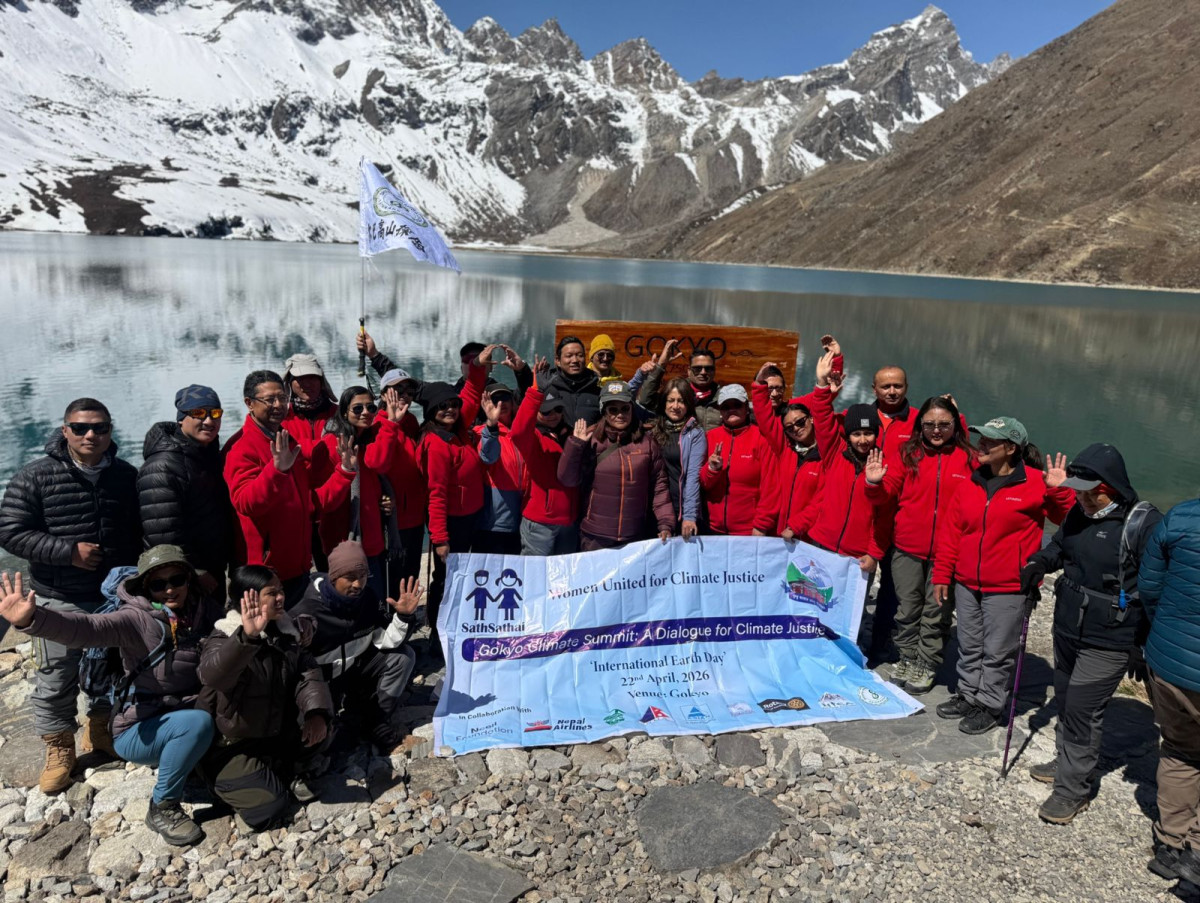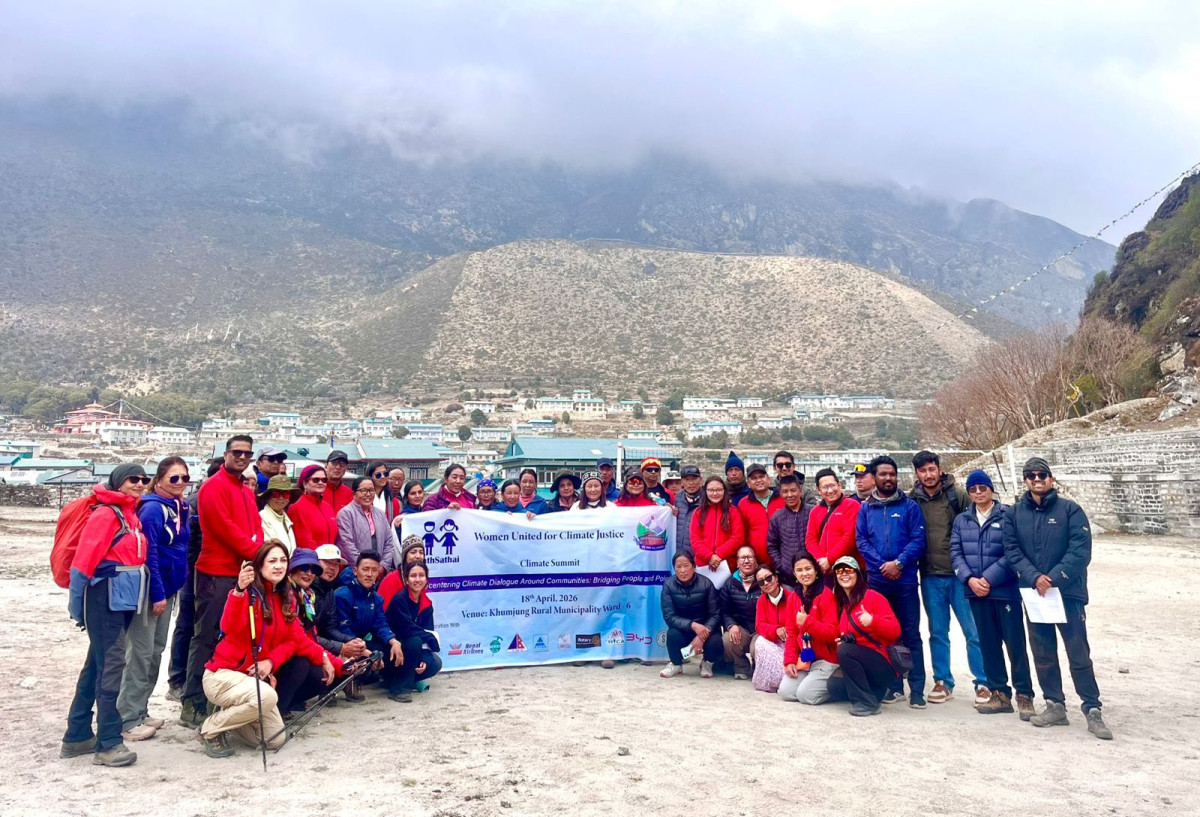
Kathmandu - According to the Climate Risk Index, out of 180 countries, Nepal is ranked as the 69th climate vulnerable nation in 2025. As honorable Prime Minister Mr. KP Sharma Oli announced the first edition of Sagarmatha Sambaad , the forum faces a critical question in it: Can high-level discussions translate into meaningful solutions for the livelihoods of Himalayan communities? Intergovernmental Panel on Climate Change (IPCC) says that the Himalayan region is warming faster than the rest of the world. There are frequent occurrences like glacial melt, erratic weather patterns, and a rise in natural disasters. The increasing climate risks still endanger the lives of people who live in mountainous regions, even in spite of continuous calls for climate justice.
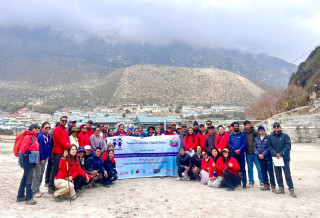
The United States Geological Survey defines a glacier as a large, perennial accumulation of crystalline ice, snow, rock, sediment, and often liquid water originating on land and moving down slope. Systematic scientific analysis in the Hindu Kush Himalayas found that the Himalayan region supports over 240 million people directly. At the same time, its river systems impact the inhabitants of an additional 1.9 billion people. However, change in climatic patterns is disrupting traditional ways of life, altering snowfall patterns, and increasing GLOFs and weather conditions. The recent flood at Thame illustrates how the climate crisis can devastate biodiversity in mere moments.
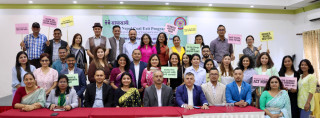
Discussions at the Sagarmatha Sambaad underscored the immediate need for climate justice. Notwithstanding its contribution of less than 0.1% of global carbon emissions, Nepal disproportionately suffers from climate change. Climate activist and scholar Dr. Aditi Mukherji emphasized in her article for Climate Policy (2023) that "reducing emissions alone is not enough to achieve climate justice; it’s about ensuring that vulnerable communities have a voice in decision-making processes." Residents are facing complications in various sectors and are still unheard, so the forum must amplify their voices and work for their justice” says Temba Tsheri Sherpa.
Walking the Walk
While the Sagarmatha Sambaad served as a vital platform for dialogue, the true measure of success will be the implementation of the commitments that will be made during the forum. The Nepalese government, in collaboration with international partners, must prioritize climate adaptation strategies that cater to the needs of the most vulnerable populations. This action includes protecting natural ecosystems, improving preparedness for disasters, and making investments in sustainable agricultural methods.
As mentioned in the Journal of Climate Change and Development Innovation by Ganga Thapa and Jan Sharma, in 2023, there is an urgent need for financial mechanisms that enable local communities to support grassroots initiatives and adapt to climate change. Without these pivotal measures, the risk of deepening existing inequalities remains significant.
As the global community observes Nepal's initiatives following the Sagarmatha Sambaad, and the world is marking this year as International Day for Glaciers’ Preservation, the demand for prompt action has never been more critical. Important discussions regarding justice and climate change have been triggered by the event, but the challenge lies in ensuring that these discussions yield tangible results. In an era marked by glacial melt and environmental upheaval, it is crucial for Nepal to not only articulate its goals but also to take concrete steps toward a sustainable and equitable future for all.
Aastika Bhujel