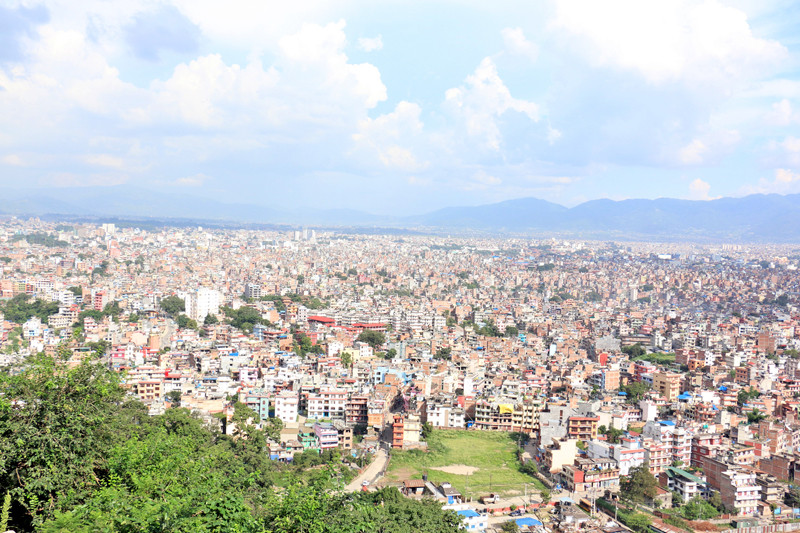
Kathmandu - Nepal’s January 2025 has defied expectations, with unusually warm and dry weather replacing the traditionally cold and foggy conditions of past winters. Historically, January has been one of the coldest months, but this year, clear blue skies and mild temperatures are raising concerns about the changing climate.
According to Nepal’s Department of Hydrology and Meteorology, the maximum winter temperature is significantly rising in most districts, with a 99% confidence level, though the Terai districts remain exceptions. In previous years, dense fog often blanketed the scenic mountains, and the "blanket effect" kept days gloomy. This year, however, cities like Pokhara and Kathmandu are experiencing daytime temperatures ranging from 17°C to 20°C, while Nepalgunj has reached highs of 24°C. Meanwhile, Severe Weather Europe predicts the emergence of the La Niña effect later in 2025, adding another dimension to Nepal’s evolving weather patterns. Has winter in Nepal already said its goodbyes?
Traditionally the winter season of Nepal spanned from December to February, was characterized by cold temperatures, clear skies, and occasional snowfall in the mountains. In January, average temperatures in Kathmandu typically hovered around 2 to 4°C, while higher altitudes experienced sub zero conditions. Snowfalls blanketed regions such as Mustang, Manang, and the Khumbu valley, drawing tourists eager to experience Nepal’s winter charm.
Meanwhile, the Terai experienced prolonged episodes of thick fog and cold waves that dropped temperatures to as low as 4°C, impacting agriculture, transportation, and health. Winter rainfall, known locally as "hiundey jhari", played a critical role in replenishing soil moisture for winter crops like wheat and barley, ensuring food security for millions of Nepalese.
The Decline of coldness in Winter in Nepal
Recent years have brought noticeable changes to Nepal’s winters, raising questions about whether the season is fading away. January 2025 has been no exception, with residents across the country reporting warmer-than-normal temperatures, reduced fog in the Terai, and a lack of significant snowfall in the hills and mountains. Research by ICIMOD reveals that Himalayan snowfall has declined by 10–15% over the past two decades. Areas that once experienced reliable snow cover in January, like the Khumbu region, are now witnessing drier winters. This impacts tourism, water resources, and the delicate Himalayan ecosystem.
Winter rainfall has become increasingly erratic. A 2022 report from the National Adaptation Programme of Action (NAPA) noted that hiundey jhari, that was once critical for winter agriculture has become scarce in many regions, forcing farmers to rely more on alternative crops.
The dense fog and cold waves that used to grip the Terai for weeks in January are now shorter and less severe. While this has reduced disruptions to transportation and public health risks, it signals a fundamental shift in Nepal’s winter climate patterns.
Is climate change responsible?
The warming of Nepal’s winters is closely tied to global climate change. The Himalayan region is warming nearly three times faster than the global average, according to the IPCC. Rising temperatures and declining snowfall are direct consequences of this trend. Furthermore, human activities like deforestation, urbanization, and increasing greenhouse gas emissions have exacerbated local warming.
In 2025, the visible impacts of these changes raise urgent questions like if winters continue to fade, how will Nepal adapt to a world where snow is scarce, rivers dry up, and agriculture faces new challenges?
What does the future hold ?
If current trends continue, Nepal’s winters may become milder, drier, and shorter in duration. While this may seem beneficial to some, such as reduced disruptions from fog or cold waves, it threatens the country’s agriculture, tourism, and water resources. Glacial melt, caused by warmer winter temperature, could destabilize entire ecosystems and jeopardize the livelihoods of millions who rely on the rivers that flow from the Himalayas.
The question, “Is winter finished in Nepal?” may not yet have a definitive answer, but one thing is clear that Nepal has witnessed the changing weather patterns, and these changes will have far-reaching consequences for the environment, economy, and society. Addressing climate change through local and global action is essential to preserving not only Nepal’s winters but also its way of life for generations to come.
By Aastika Bhujel